
Knowing how to check spark plugs in a car is one of the most useful maintenance skills for any driver. Spark plugs play a key role in ignition. When they wear out, your engine may misfire, lose power, use more fuel, or become harder to start.
Over the years, I have inspected spark plugs on daily commuters, pickup trucks, and performance vehicles. In many cases, a quick spark plug inspection revealed problems long before a warning light appeared. Learning how to check spark plugs in a car can help you catch issues early and keep your vehicle running smoothly.

Why Spark Plugs Matter
Spark plugs create the electrical spark that ignites the air-fuel mixture inside the engine cylinders. Without a strong spark, the combustion process becomes inefficient. This can affect performance, fuel economy, and emissions.
Learning how to check spark plugs in a car helps you understand your engine’s condition. Spark plugs often show signs of problems such as oil leaks, rich fuel mixtures, overheating, or ignition system failures.

- ✦ Improved Performance
Healthy spark plugs help the engine run smoothly and produce consistent power.
- ✦ Better Fuel Economy
Efficient combustion reduces wasted fuel and improves mileage.
- ✦ Early Problem Detection
Spark plugs can reveal engine issues before they become serious.
Common Symptoms of Bad Spark Plugs
Drivers often notice rough idling, hesitation during acceleration, poor fuel economy, engine misfires, and difficult starts. These symptoms are common reasons people begin researching how to check spark plugs in a car.
- ✦ Check Engine Light
Misfires caused by worn spark plugs can trigger diagnostic trouble codes.
Tools You Need Before Checking Spark Plugs
Before you begin, gather the right tools. Having everything ready makes the process faster and safer.
Most modern vehicles require only a few basic tools. Always consult your owner’s manual for model-specific instructions and spark plug specifications.

- ✦ Spark Plug Socket
Special socket designed to grip and remove spark plugs safely.
- ✦ Ratchet and Extension
Provides access to spark plugs located deep inside the engine.
- ✦ Gap Gauge
Measures spark plug electrode gap accurately.
- ✦ Safety Gloves
Protects your hands while working around engine components.
Safety Tips Before Starting
Always allow the engine to cool completely before removing spark plugs. Hot engine parts can cause burns and may damage plug threads during removal.
- ✦ Disconnect Battery if Needed
Follow manufacturer recommendations when working near ignition components.
Step-by-Step Guide: How to Check Spark Plugs in a Car
If you want to know how to check spark plugs in a car correctly, follow a careful inspection process. Work on one cylinder at a time to avoid mixing up ignition wires or coil connections.
Take photos before disconnecting anything. This simple step helps ensure correct reassembly.
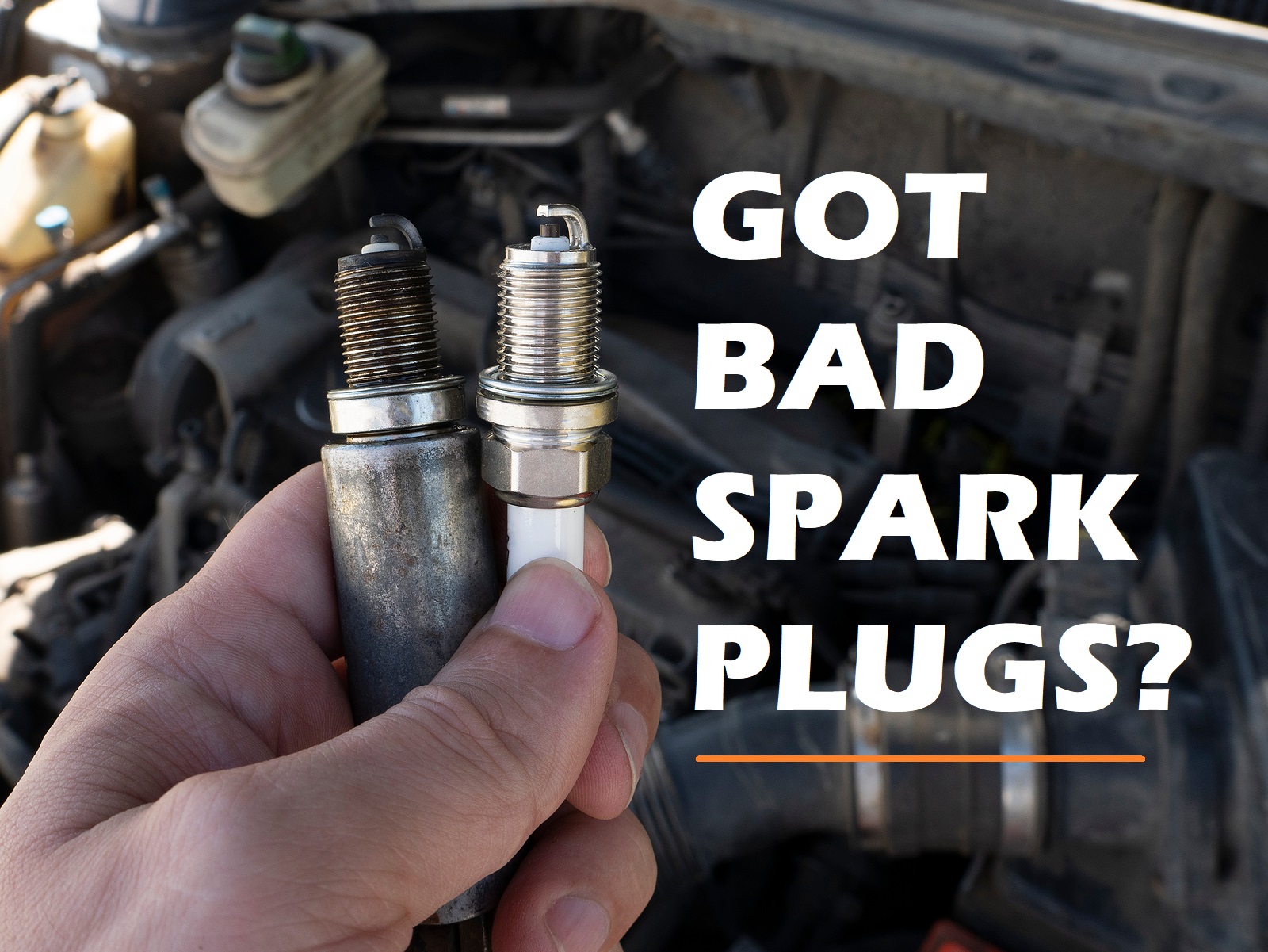
- ✦ Locate Spark Plugs
Find the spark plugs using your owner’s manual or engine cover diagram.
- ✦ Remove Ignition Components
Disconnect ignition coils or spark plug wires carefully.
- ✦ Extract the Plug
Use a spark plug socket and ratchet to remove the plug slowly.
Inspect the Spark Plug
Examine the electrode, insulator, and threads. Look for deposits, cracks, melting, oil contamination, or excessive wear. These clues can help diagnose engine conditions.
- ✦ Normal Appearance
Light tan or gray deposits generally indicate healthy combustion.
- ✦ Excessive Wear
Rounded electrodes often mean the plug has reached the end of its service life.
How to Read Spark Plug Condition
One of the most valuable parts of learning how to check spark plugs in a car is understanding what the plug tells you about engine health.
Spark plug color and deposits often point to specific issues. Reading them correctly can save time and prevent unnecessary repairs.
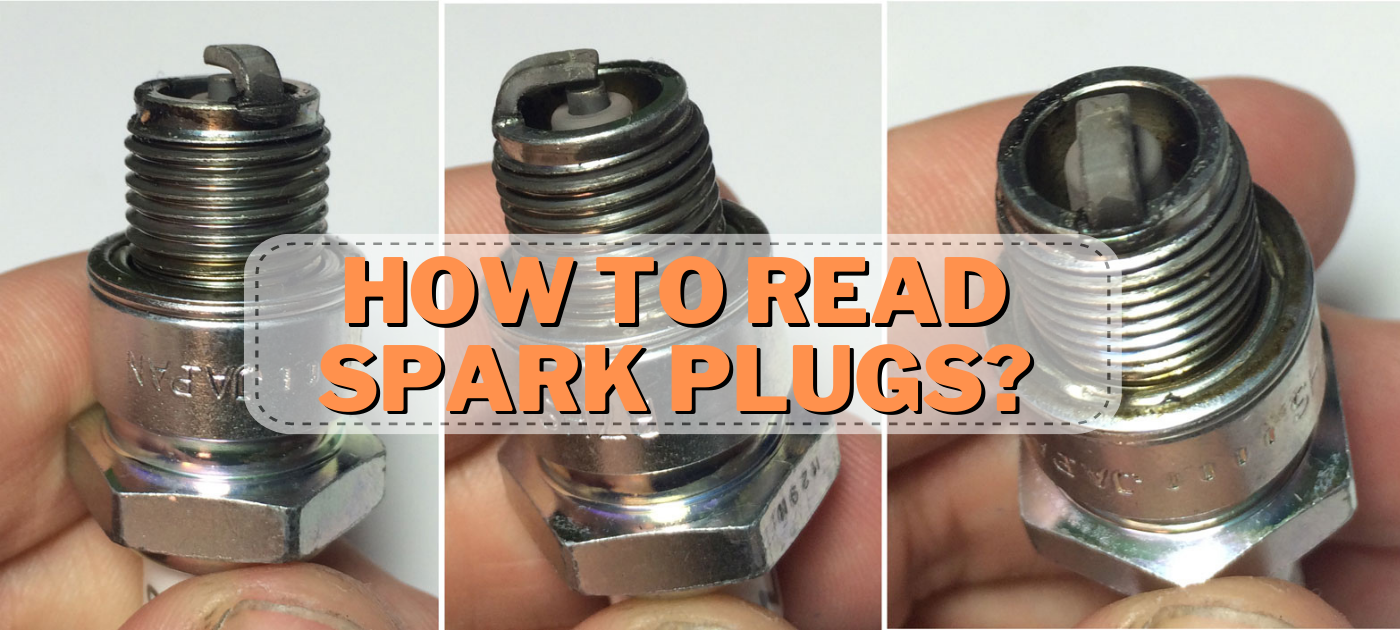
- ✦ Light Brown or Gray
Usually indicates normal operation and proper combustion.
- ✦ Black Carbon Deposits
May suggest a rich fuel mixture, dirty air filter, or weak ignition.
- ✦ Oily Deposits
Can indicate valve seal wear or piston ring issues.
- ✦ White Blistering
May signal overheating or incorrect spark plug heat range.
When Plug Damage Signals Bigger Problems
Cracked insulators, melted electrodes, and severe deposits may point to engine issues beyond the spark plug itself. Additional diagnosis may be necessary.
- ✦ Detonation Signs
Pitted electrodes can indicate abnormal combustion conditions.
How to Measure Spark Plug Gap
Checking spark plug gap is an important part of how to check spark plugs in a car. The gap affects ignition performance and combustion efficiency.
Use a wire-style or blade-style gap gauge. Compare the measurement with the vehicle manufacturer’s specification.
- ✦ Measure Carefully
Insert the gauge gently between the center and ground electrodes.
- ✦ Compare Specifications
Always follow the vehicle manufacturer’s recommended gap.
- ✦ Adjust Only When Appropriate
Some modern plugs should not be adjusted manually.
Effects of Incorrect Gap
A gap that is too small may reduce combustion efficiency. A gap that is too large can create weak ignition and increase misfires.
- ✦ Hard Starting
Improper gaps can make engine starts more difficult.
Testing Spark Plugs for Spark
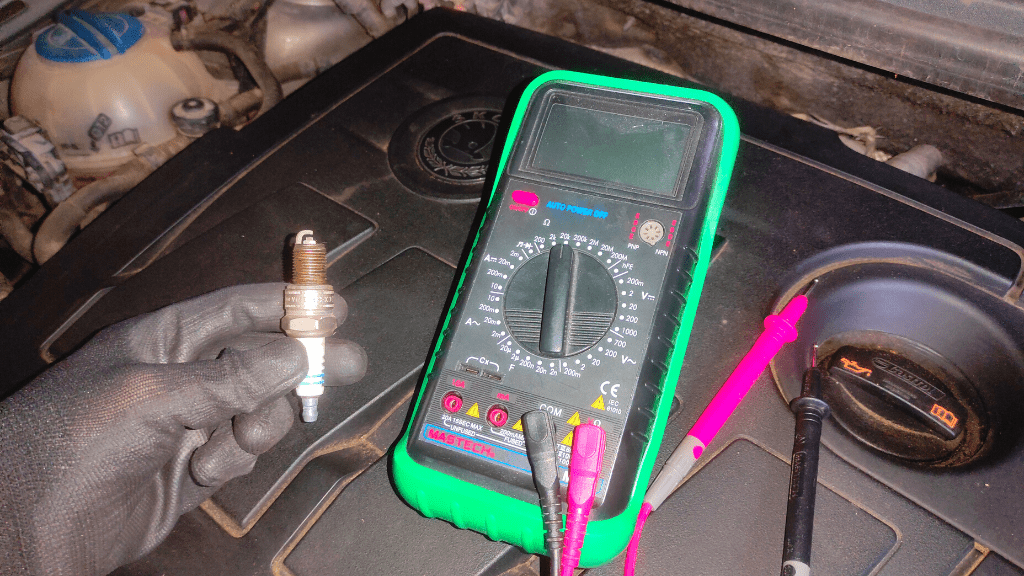
Visual inspection provides valuable information, but some drivers also want to test spark production. This can help identify ignition-related issues.
Use caution when performing spark tests. High-voltage ignition systems can cause injury if handled improperly.

- ✦ Use a Spark Tester
A dedicated spark tester is safer than improvised methods.
- ✦ Look for Strong Spark
A bright, consistent spark usually indicates proper ignition operation.
When Testing Is Helpful
Testing can help when diagnosing misfires, rough idle conditions, or hard-start problems. It works best when combined with visual inspection.
- ✦ Combine Diagnostic Methods
Use testing results together with plug condition analysis.
When to Replace Spark Plugs
Even if you know how to check spark plugs in a car, replacement is sometimes the best option. Worn plugs can reduce performance and place extra stress on ignition components.
Many modern iridium and platinum plugs last much longer than traditional copper plugs. Follow the service interval listed by your vehicle manufacturer.

- ✦ Replace Worn Electrodes
Rounded or eroded electrodes reduce ignition efficiency.
- ✦ Replace Damaged Plugs
Cracks, chips, or melted components require immediate replacement.
- ✦ Follow Maintenance Schedule
Routine replacement helps prevent unexpected performance issues.
Signs Replacement Is Overdue
Frequent misfires, poor fuel economy, sluggish acceleration, and rough idling often indicate that spark plugs should be replaced.
- ✦ Mileage Matters
High-mileage vehicles should receive periodic spark plug inspections.