
Knowing how to gap spark plugs without a gauge can help when you are working on a car, truck, motorcycle, mower, or other small engine and do not have the right tool nearby. The key is to treat this as a rough method, not an exact measurement. Spark plug gaps can be small, so even a slight error can matter.
The correct gap depends on the engine and spark plug. It is often listed in the owner’s manual, service data, or spark plug maker’s instructions. Before changing anything, confirm the required gap and check whether the plug is pre-gapped. If the engine calls for a precise gap, buy or borrow a proper gap tool before final installation.
What Does Spark Plug Gap Mean?
Spark plug gap is the small space between the center electrode and the ground electrode. The ignition system sends high voltage across this space to create the spark that starts combustion. The gap must be large enough for a strong spark but small enough for the ignition system to fire it reliably.
A gap that is too wide can make the plug harder to fire. It may cause a misfire, rough running, poor starting, or loss of power. A gap that is too small can also affect the spark and combustion. This is why the correct factory gap matters.

- ✦ Center electrode
This is the small electrode that extends from the center of the plug and carries the high-voltage spark.
- ✦ Ground electrode
This metal tab curves over the center electrode. It forms the other side of the spark gap.
- ✦ Gap
This is the air space between the two electrodes. The engine maker sets the target gap for proper ignition.
Can You Really Gap Spark Plugs Without a Gauge?
Yes, but there is an important limit. You can make a rough adjustment without a gauge by comparing the gap with a known object or by using a reference plug that has the correct gap. You cannot reliably prove an exact measurement by sight alone.
This distinction matters because spark plug gaps are often measured in thousandths of an inch. For example, a specification of 0.040 inch is much smaller than the thickness of a typical coin. A visual estimate can be useful in an emergency, but it should not replace a proper measurement for a final repair.

- ✦ Use the factory specification
Find the exact gap listed for your engine and plug. Do not assume that all plugs for the same vehicle use the same gap.
- ✦ Use a known reference
A correctly gapped spare plug can give you a rough visual comparison when you have no gauge.
- ✦ Avoid random objects
Paper, wire, coins, and similar objects vary in thickness. They are poor choices when an exact gap is required.
Why a Visual Estimate Can Be Wrong
The gap may look even while still being too wide or too narrow. Electrode shape also affects what you see, especially on plugs with fine-wire center electrodes. Good lighting helps, but your eyes cannot measure a tiny gap with the precision of a proper tool.
How to Gap Spark Plugs Without a Gauge Step by Step
If you need to know how to gap spark plugs without a gauge, start by making the job as controlled as possible. Work with the engine cold and keep dirt away from the plug opening. Remove the plug only if you can do so safely and without damaging the threads or ignition parts.
Once the plug is out, identify the center and ground electrodes. Check the electrode for damage, cracks, heavy wear, or a bent shape. If the plug is damaged, replacing it is better than trying to correct it.
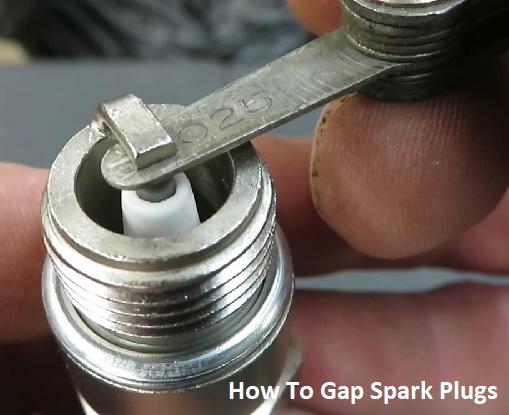
- ✦ 1. Find the correct specification
Check the owner’s manual, service information, or plug maker’s instructions. Write down the specified gap before you begin.
- ✦ 2. Inspect the plug
Look for damaged porcelain, worn electrodes, bent metal, or signs of abnormal wear. Do not use a damaged plug.
- ✦ 3. Compare the gap
Use a correctly gapped reference plug if one is available. View both plugs under bright light from the same angle.
- ✦ 4. Make a tiny adjustment
If the ground electrode is clearly too close or too far away, make a very small change. Work slowly rather than bending it back and forth.
- ✦ 5. Recheck the shape
The ground electrode should sit squarely over the center electrode. The gap should look even from side to side.
- ✦ 6. Verify before final use
If the engine requires an exact gap, use a proper spark plug gauge before installing the plug for normal service.
How to Close a Spark Plug Gap
To close a gap, the ground electrode must move toward the center electrode. Make small changes and inspect the plug after each change. Never strike the center electrode or the ceramic insulator.
- ✦ Work gently
Apply pressure to the ground electrode rather than the center electrode or ceramic body.
- ✦ Avoid repeated bending
Repeated bending can weaken or distort the ground electrode. Replace the plug if the electrode becomes damaged.
How to Open a Spark Plug Gap
To open the gap, move the ground electrode away from the center electrode in very small steps. Do not pry against the center electrode or use force that could damage the plug.
- ✦ Make tiny changes
A small movement can change the gap more than expected, so adjust slowly.
- ✦ Check alignment
The ground electrode should remain centered over the firing area rather than sitting at an odd angle.
Ways to Estimate Spark Plug Gap Without a Gauge
When a gauge is not available, several rough methods can help you judge whether the gap is obviously wrong. None should be treated as an exact substitute for a spark plug gap tool. The best emergency method is usually comparison with a known plug that has the same specified gap.
Do not rely on a random household item simply because it looks close. Small differences can be hard to see, and household items are rarely made to a controlled measurement.

- ✦ Compare with a correctly gapped plug
Place the two plugs next to each other and compare their electrode spacing under bright light. This works best when both plugs are the same type and have the same specification.
- ✦ Use a clean piece of known-size wire
If you have a wire whose diameter is known and matches the required measurement, it can provide a rough check. Do not guess the wire size.
- ✦ Use manufacturer markings as a reference
Some plug packaging or service information gives the exact gap. Use that information to guide your adjustment rather than guessing from plug appearance.
- ✦ Use visual symmetry
Look for an even space between the electrodes. This can catch a badly bent ground electrode, but it cannot confirm a precise gap.
Why Coins Are Not a Good Gap Tool
Coins are often suggested as an emergency reference, but they are not made to measure spark plug gaps. Their thickness varies by denomination and can differ from the gap your engine needs. A coin may help you see that a gap is very large or very small, but it should not be used to set a precise gap.
How to Adjust the Ground Electrode Safely
The ground electrode is the part you normally adjust. The center electrode and ceramic insulator are much more delicate. Good technique means using controlled pressure and avoiding blows that can crack the insulator or deform the electrode.
A common mistake is making a large adjustment in one movement. It is safer to make a small change, inspect the gap, and repeat if needed. If the plug does not respond as expected, stop and replace it rather than forcing it.

- ✦ Do not hit the ceramic
The ceramic insulator can crack from impact. A cracked plug can fail and may cause engine problems.
- ✦ Do not bend the center electrode
The center electrode is not designed for rough adjustment. Focus any adjustment on the ground electrode.
- ✦ Keep the electrode aligned
The ground electrode should sit over the center electrode in the intended position. Do not leave it twisted or off-center.
- ✦ Replace questionable plugs
A cheap plug is not worth risking damage to the engine or ignition system. Replace any plug that has a damaged insulator or badly distorted electrode.
Should You Gap New Spark Plugs?
New spark plugs may arrive close to the needed gap, but you should not assume they are correct for every engine. Some plugs are designed for a specific application, while others may be sold for several applications. Always check the plug number and the engine specification.
Some modern plugs use fine-wire electrodes or special materials such as iridium. These designs can be more sensitive to rough handling. If the plug maker says not to adjust a particular plug, follow those instructions.

- ✦ Check the plug number
Confirm that the plug is the correct part for the engine before changing its gap.
- ✦ Check the engine specification
The vehicle’s required gap is more important than a general gap value found online.
- ✦ Follow plug maker instructions
Some special electrode designs require extra care and may have limits on adjustment.
Iridium and Fine-Wire Spark Plugs
Fine-wire spark plugs use small electrodes to support efficient ignition and long service life. Their thin electrode design can be easier to damage with rough tools or force. If the plug manufacturer says the gap should not be changed, use the correct pre-gapped part instead.
What Happens If the Spark Plug Gap Is Wrong?
The wrong gap can change how easily the ignition system creates a spark. A gap that is too wide may need more voltage to jump the space. Under some conditions, that can contribute to misfires or hard starting.
A gap that is too narrow can also change the spark behavior and combustion process. If the engine runs poorly after a plug change, checking the plug type, gap, installation, and ignition system can help find the cause.

- ✦ Hard starting
A poor gap can make ignition less reliable, especially during cold starts.
- ✦ Engine misfire
An incorrect gap can contribute to a weak or inconsistent spark under load.
- ✦ Rough idle
Poor ignition can make the engine feel uneven at idle.
- ✦ Loss of power
A misfiring engine may not burn the air-fuel mixture as intended, which can reduce performance.
- ✦ Poor fuel economy
Ignition problems can affect combustion efficiency, although fuel use can have many other causes.
Why the Correct Spark Plug Gap Matters
The correct gap is part of the engine’s ignition design. Engineers choose a gap based on factors such as the ignition system, combustion chamber, plug design, and engine operating conditions. That is why a gap that works well in one engine may not be right for another.
For a routine repair in the United States, the vehicle owner’s manual is a good starting point. Service information and the spark plug manufacturer’s data can also help confirm the correct specification. Do not use a generic gap value just because it is common.

- ✦ Ignition system
The ignition system must produce enough voltage to fire the selected gap under the engine’s operating conditions.
- ✦ Plug design
Different electrode shapes and materials can affect the correct setup and adjustment method.
- ✦ Engine design
Combustion chamber design and operating conditions influence the specified plug gap.
Do Not Copy a Gap From Another Vehicle
Two vehicles can use spark plugs that look almost identical but require different gaps. Even two engines from the same vehicle line may have different specifications. Always match the gap to the exact engine and plug application.
Common Mistakes When Gapping Spark Plugs Without a Gauge
Learning how to gap spark plugs without a gauge is mainly about knowing what not to do. Most problems come from guessing too much, using an unsuitable object as a measurement tool, or applying too much force. A careful approach can reduce the chance of damaging the plug.
If the gap must meet a precise specification, the best solution is simple: stop at the rough adjustment stage and get a proper gauge. A basic spark plug gap tool is inexpensive and can save time compared with diagnosing an ignition problem later.
- ✦ Guessing the gap from appearance
A visual check can identify an obvious problem but cannot prove an exact measurement.
- ✦ Using the wrong reference
Random coins, paper, blades, or wire can have dimensions that do not match the required gap.
- ✦ Bending too far
Large movements can distort the ground electrode or damage the plug.
- ✦ Ignoring the plug design
Fine-wire and special plugs may require different handling than basic nickel-alloy plugs.
- ✦ Skipping the final check
If accuracy matters, confirm the final gap with the proper tool before calling the job finished.
When You Should Not Gap a Spark Plug Without a Gauge
There are times when a rough estimate is not worth the risk. If the engine has a strict gap specification, uses a sensitive ignition system, or is showing a misfire, accurate measurement is the better choice. A proper gauge removes much of the guesswork.
You should also avoid improvised adjustment when the plug is expensive, delicate, or specifically marked as pre-gapped and not intended for adjustment. In these cases, fitting the correct plug or getting the correct tool is safer.
- ✦ Exact engine specification
Use a proper gauge when the manufacturer gives a precise gap and engine performance depends on it.
- ✦ Special spark plug
Use extra care with iridium, platinum, fine-wire, or other special electrode designs.
- ✦ Engine misfire
Do not assume the gap is the only problem. Check ignition parts, plug condition, fuel delivery, and other possible causes.
- ✦ Damaged electrode
Replace a plug with a cracked insulator, damaged threads, or badly bent electrodes instead of trying to save it.