
Knowing how to check spark plug gap is one of the simplest ways to keep an engine running smoothly. A spark plug gap that is too wide or too narrow can affect ignition quality, fuel economy, acceleration, and starting performance.
Over the years, I have checked spark plug gaps on daily drivers, pickup trucks, lawn equipment, and performance engines. One lesson stays the same: never assume a new spark plug is already set correctly. Taking a few minutes to verify the gap can prevent frustrating engine problems later.

What Is a Spark Plug Gap?
The spark plug gap is the distance between the center electrode and the ground electrode at the tip of the spark plug. This space allows electricity to jump across and create the spark that ignites the air-fuel mixture inside the engine.
When learning how to check spark plug gap, it helps to understand why the measurement matters. A gap that is too small may create a weak spark. A gap that is too large may require more voltage than the ignition system can provide.
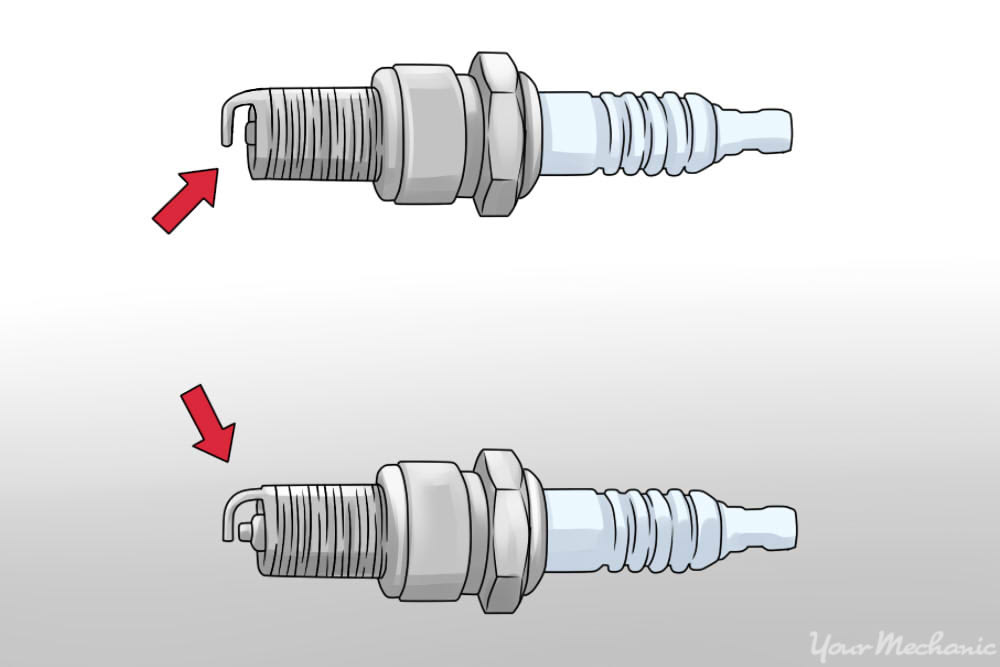
- ✦ Small gap
May cause incomplete combustion and reduced engine efficiency.
- ✦ Large gap
Can lead to misfires, hard starts, and ignition problems.
- ✦ Correct gap
Provides reliable ignition and smooth engine operation.
Why Manufacturers Specify a Gap
Engine designers select a spark plug gap that matches the ignition system and combustion chamber design. Following the specified measurement helps the engine perform as intended.
- ✦ Factory specification
Ensures proper spark intensity and combustion.
Tools Needed to Check Spark Plug Gap
Before you learn how to check spark plug gap, gather the correct tools. Most vehicle owners only need a spark plug gap gauge or a feeler gauge set.
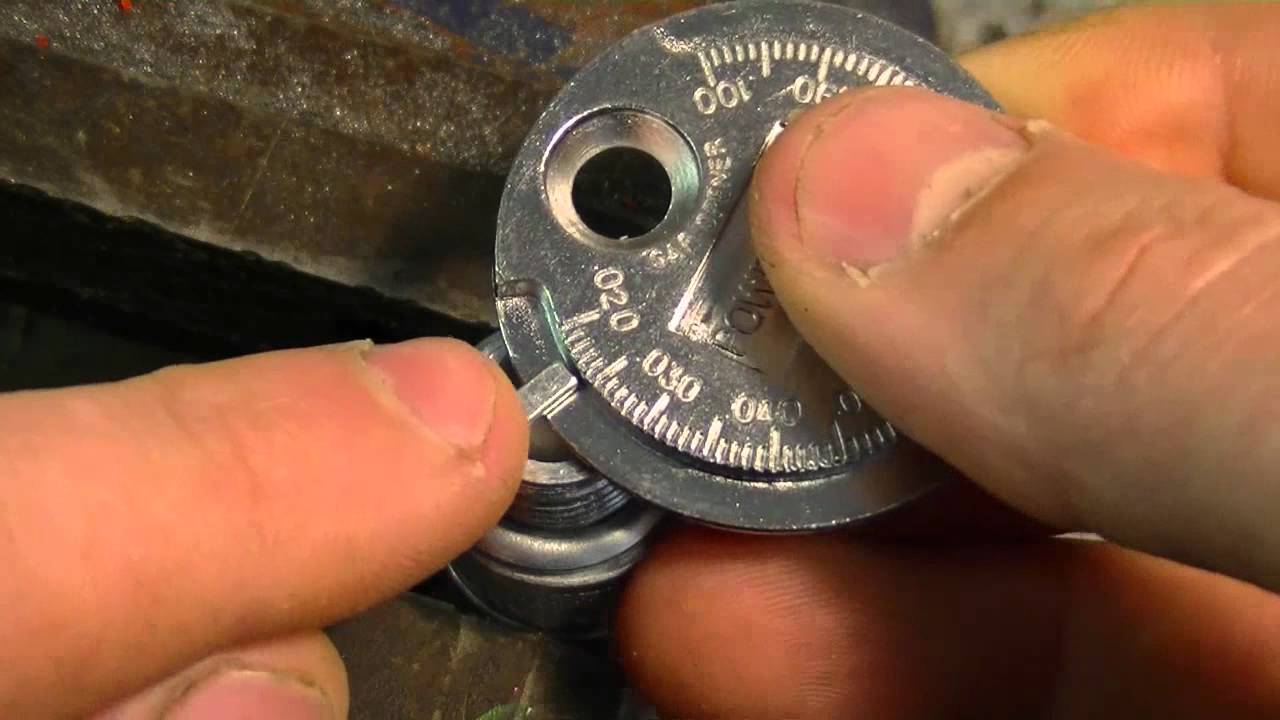
A feeler gauge offers excellent accuracy and works well for most automotive applications. Some mechanics also use coin-style gap tools for quick measurements.

- ✦ Feeler gauge
Thin metal blades with precise thickness measurements.
- ✦ Spark plug gap tool
Designed specifically for measuring and adjusting spark plug gaps.
- ✦ Owner’s manual
Provides the correct spark plug gap specification.
Where to Find the Correct Gap Specification
Check the owner’s manual, emissions sticker, service manual, or spark plug manufacturer recommendations. Always verify specifications before measuring.
- ✦ Manual reference
Most accurate source for factory specifications.
How to Check Spark Plug Gap Step by Step
The process of how to check spark plug gap is straightforward. Work carefully to avoid damaging the electrode or ceramic insulator.
Always perform the measurement on a clean spark plug. Dirt or debris can affect accuracy.
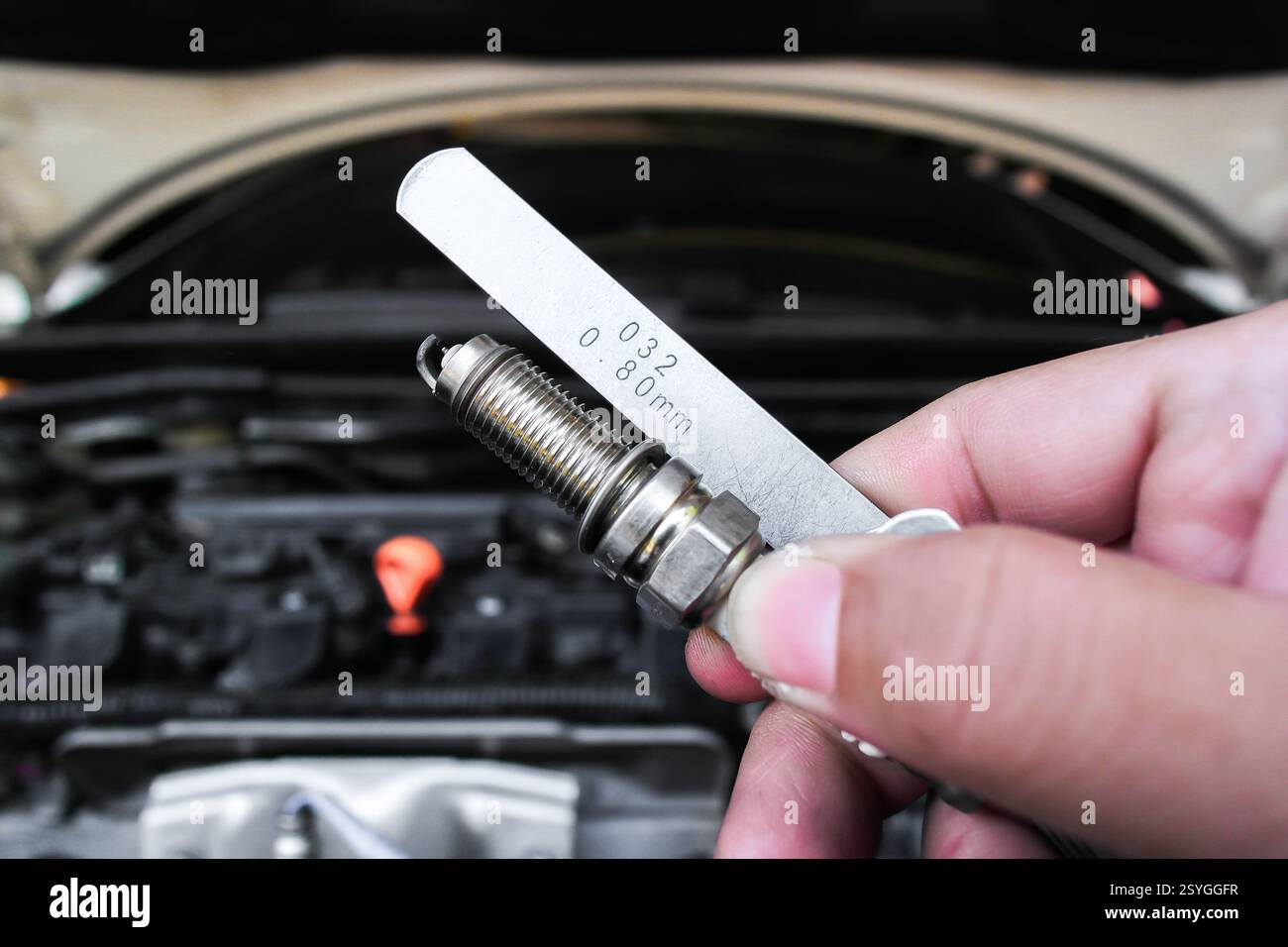
- ✦ Step 1
Locate the correct gap specification for your engine.
- ✦ Step 2
Insert the appropriate feeler gauge blade between the electrodes.
- ✦ Step 3
Feel for slight resistance as the blade passes through.
- ✦ Step 4
Compare the measurement to the required specification.
What Proper Resistance Feels Like
The feeler gauge should slide through with light drag. If it moves freely, the gap is too large. If it will not fit, the gap is too small.
- ✦ Light drag
Usually indicates a correct measurement.
How to Adjust Spark Plug Gap Safely
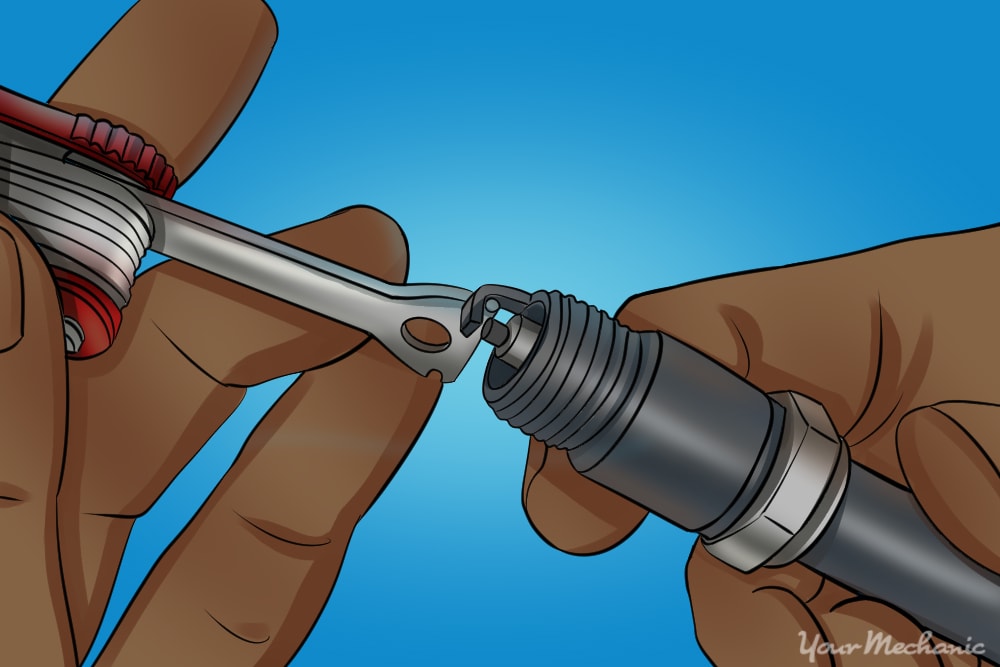
After learning how to check spark plug gap, you may discover that adjustment is necessary. Bend only the ground electrode. Never apply pressure to the center electrode or ceramic insulator.
Make small adjustments and remeasure after each change. Precision matters because even minor differences can affect performance.
- ✦ To increase the gap
Gently bend the ground electrode outward.
- ✦ To decrease the gap
Carefully bend the ground electrode inward.
- ✦ Recheck measurement
Confirm the final gap matches specifications.
Special Care for Iridium and Platinum Plugs
Premium spark plugs often have delicate fine-wire electrodes. Follow manufacturer instructions carefully because damage can shorten plug life.
- ✦ Fine-wire design
Requires extra caution during adjustment.
Common Mistakes When Checking Spark Plug Gap
Many people know how to check spark plug gap but still make simple mistakes that lead to inaccurate readings. Careful technique is important.
Avoid rushing the process. A few extra minutes can save hours of troubleshooting later.

- ✦ Skipping the measurement
New spark plugs are not always perfectly gapped.
- ✦ Using the wrong specification
Different engines often require different gaps.
- ✦ Forcing the gauge
Can produce inaccurate readings.
- ✦ Damaging the electrode
Can affect spark quality and plug life.
Why New Plugs Still Need Inspection
Shipping, handling, and packaging movement can slightly change the electrode position. A quick inspection helps verify accuracy.
- ✦ Quality control
Always confirm the gap before installation.
Signs Your Spark Plug Gap Is Incorrect
Understanding how to check spark plug gap becomes even more important when you notice engine performance issues. An incorrect gap can create several symptoms.
Many ignition-related complaints trace back to spark plugs that are worn or improperly gapped.

- ✦ Engine misfires
Incomplete ignition causes stumbling or hesitation.
- ✦ Hard starting
The spark may not ignite the fuel mixture effectively.
- ✦ Poor fuel economy
Combustion efficiency may decrease.
- ✦ Rough idle
Inconsistent ignition can make the engine run unevenly.
When to Recheck the Gap
Check the spark plug gap whenever you replace spark plugs, perform tune-up work, or investigate ignition-related issues.
- ✦ Routine maintenance
Helps maintain consistent engine performance.
Expert Tips for Accurate Spark Plug Gap Measurements
If you want the best results when learning how to check spark plug gap, use clean tools and work in good lighting. Small measurement differences can be hard to see.
In my experience, double-checking each spark plug before installation reduces the chances of ignition issues. It is a simple habit that pays off over time.
- ✦ Measure twice
Verify readings before installation.
- ✦ Handle carefully
Protect delicate electrodes from accidental damage.
- ✦ Check every plug
Do not assume all plugs in a package match exactly.
Benefits of Consistent Maintenance
Regular spark plug inspections help maintain smooth operation, reliable starts, and efficient fuel use throughout the life of the vehicle.
- ✦ Preventive maintenance
Helps identify problems before they become serious.