
Many drivers want to know how to check if a spark plug is firing when their vehicle starts running rough or refuses to start. The good news is that several simple methods can help you confirm whether the spark plug is producing ignition spark.
Over the years, I have diagnosed countless engine misfires. In many cases, the spark plug was not the actual problem. Testing properly saved time and prevented unnecessary parts replacement. Knowing how to check if a spark plug is firing is one of the most valuable basic diagnostic skills for any vehicle owner.

Why Spark Plug Firing Matters
A spark plug creates the electrical spark that ignites the air-fuel mixture inside the engine cylinder. Without that spark, combustion cannot occur properly.
When learning how to check if a spark plug is firing, it helps to understand the role of the ignition system. The spark plug works together with the ignition coil, wiring, engine computer, and fuel system.
Even a single spark plug that fails to fire can cause noticeable performance issues. Modern engines rely on precise ignition timing and strong spark energy.

- ✦ Engine Starting
A firing spark plug helps start the engine quickly and smoothly.
- ✦ Fuel Efficiency
Proper spark improves combustion and reduces wasted fuel.
- ✦ Engine Performance
Consistent ignition helps maintain power and acceleration.
What Happens When a Spark Plug Stops Firing
A non-firing spark plug can lead to incomplete combustion. This often causes rough idling, hesitation, misfires, and increased emissions.
- ✦ Misfire
One or more cylinders fail to burn fuel correctly.
- ✦ Power Loss
The engine may feel sluggish during acceleration.
Common Signs That a Spark Plug May Not Be Firing
Before you learn how to check if a spark plug is firing, watch for warning signs. Many ignition problems reveal themselves through changes in engine behavior.
These symptoms do not always prove the spark plug is bad, but they indicate that ignition testing is necessary.

- ✦ Hard Starting
The engine cranks longer than normal before starting.
- ✦ Rough Idle
The vehicle shakes or vibrates while sitting still.
- ✦ Poor Fuel Economy
Unburned fuel reduces efficiency.
- ✦ Check Engine Light
Misfire codes often appear when ignition problems develop.
Symptoms During Driving
Drivers may notice hesitation, jerking, reduced acceleration, or occasional stalling. These signs often appear when spark delivery becomes weak or inconsistent.
- ✦ Hesitation
The engine briefly loses power during acceleration.
Tools Needed to Check If a Spark Plug Is Firing
Having the right tools makes the process safer and more accurate. A dedicated spark tester is highly recommended.
Most DIY vehicle owners already have many of the basic tools required for spark testing.
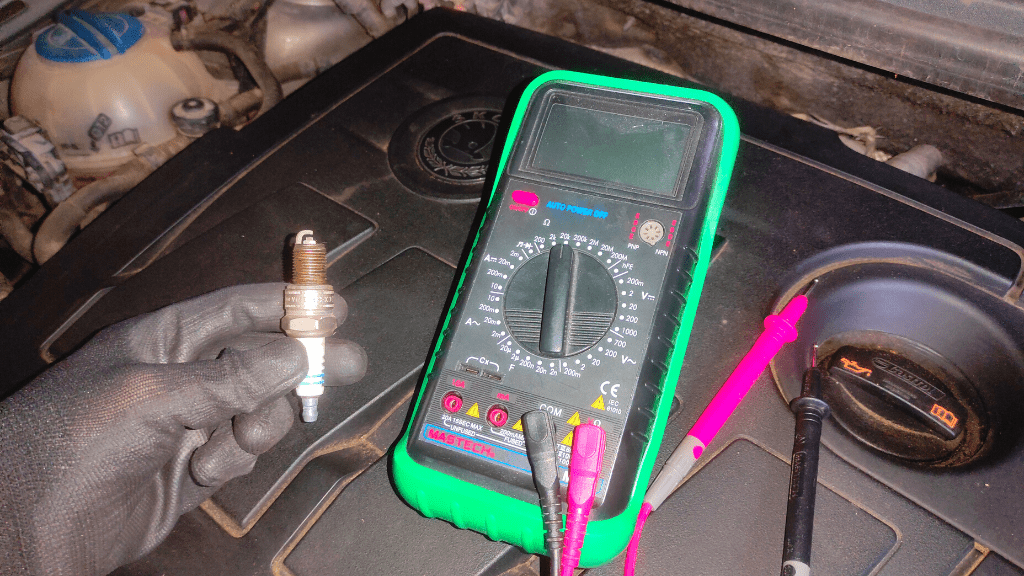
- ✦ Spark Tester
Provides the safest and easiest way to verify spark.
- ✦ Spark Plug Socket
Removes the spark plug without damage.
- ✦ Insulated Gloves
Protect against electrical shock.
- ✦ Multimeter
Helps test electrical continuity and resistance.
Safety First
Ignition systems generate high voltage. Always follow safety precautions and avoid touching exposed ignition components during testing.
- ✦ Work in a Ventilated Area
Keep the workspace safe and clear.
How to Check If a Spark Plug Is Firing Using a Spark Tester
The most reliable method for how to check if a spark plug is firing involves using a spark tester. Professional technicians use this approach because it is safe and accurate.
Disconnect the ignition wire or coil from the spark plug. Connect the spark tester according to the manufacturer’s instructions. Crank the engine while observing the tester window.
A strong blue or white spark usually indicates a healthy ignition system. A weak, orange, or inconsistent spark may indicate a problem.

- ✦ Step 1
Turn the engine off and connect the tester.
- ✦ Step 2
Ensure all connections are secure.
- ✦ Step 3
Crank the engine and observe spark activity.
- ✦ Step 4
Compare spark strength with specifications if available.
What a Good Spark Looks Like
A healthy spark is bright, regular, and easy to see. Weak or irregular sparks often suggest ignition system issues.
- ✦ Blue Spark
Usually indicates adequate ignition energy.
How to Check If a Spark Plug Is Firing Without a Tester
Some people want to know how to check if a spark plug is firing without special tools. While possible, this method requires extra caution.
Remove the spark plug and reconnect it to the ignition wire or coil. Ground the metal body of the spark plug against an unpainted metal engine surface. Have someone crank the engine while you observe the electrode gap.
Look for a visible spark jumping across the gap. Never hold the plug directly with bare hands during this procedure.

- ✦ Use Insulated Tools
Reduce the risk of electric shock.
- ✦ Maintain Ground Contact
The spark plug body must touch clean metal.
Limitations of This Method
This method confirms spark presence but may not accurately measure spark strength under actual engine conditions.
- ✦ Less Precise
A spark tester generally provides more reliable results.
What to Do If the Spark Plug Is Not Firing
If your testing shows no spark, the spark plug may not be the only issue. Ignition problems often originate elsewhere in the system.
When diagnosing how to check if a spark plug is firing, always inspect related components before replacing parts.

- ✦ Inspect the Spark Plug
Look for cracks, carbon buildup, or excessive wear.
- ✦ Check the Ignition Coil
A failed coil can prevent spark generation.
- ✦ Examine Wiring
Damaged wires can interrupt electrical flow.
- ✦ Scan for Trouble Codes
Diagnostic codes can reveal related faults.
When to Replace a Spark Plug
If the plug shows severe wear, damaged electrodes, fouling, or cracked insulation, replacement is often the best solution.
- ✦ Follow Maintenance Intervals
Use the replacement schedule recommended by the vehicle manufacturer.
Expert Tips for Accurate Spark Plug Diagnosis
Learning how to check if a spark plug is firing becomes easier with experience. Small details often reveal the true cause of an engine problem.
In my experience, many drivers replace spark plugs only to discover the ignition coil or wiring harness was actually at fault. Testing before replacing parts usually saves money.

- ✦ Compare Cylinders
Testing multiple cylinders helps identify patterns.
- ✦ Check Plug Condition
Spark plug deposits provide valuable clues.
- ✦ Use Quality Parts
Reliable components improve long-term performance.
Record Your Findings
Taking notes during diagnosis can help track symptoms and prevent repeated testing.
- ✦ Document Results
Record spark quality, codes, and component condition.