
If you want to know how to check if spark plugs are good, start with a simple inspection. Spark plugs reveal a surprising amount about engine health. Their condition can show signs of normal combustion, oil burning, fuel issues, or ignition problems.
Over the years, I have found that reading spark plugs is one of the quickest ways to diagnose engine trouble. A clean plug with a normal color often means the engine runs well. A fouled, worn, or damaged plug usually signals a problem that needs attention.

Why Spark Plug Condition Matters
Spark plugs create the spark that ignites the air-fuel mixture inside the engine. When they work correctly, your vehicle starts easily, idles smoothly, and delivers good fuel economy.
Learning how to check if spark plugs are good can help you spot problems before they become expensive repairs. Faulty plugs can increase fuel consumption, reduce power, and place extra stress on ignition components.
- ✦ Improved Performance
Good spark plugs help maintain smooth acceleration and efficient combustion.
- ✦ Better Fuel Economy
Healthy plugs burn fuel more efficiently and reduce waste.
- ✦ Reliable Starting
Strong spark delivery makes cold and hot starts easier.
Common Causes of Spark Plug Wear
Normal mileage, excessive heat, oil contamination, carbon buildup, and incorrect air-fuel mixtures can shorten spark plug life.
- ✦ High Mileage
Electrodes gradually wear down with use.
Visual Signs That a Spark Plug Is Good
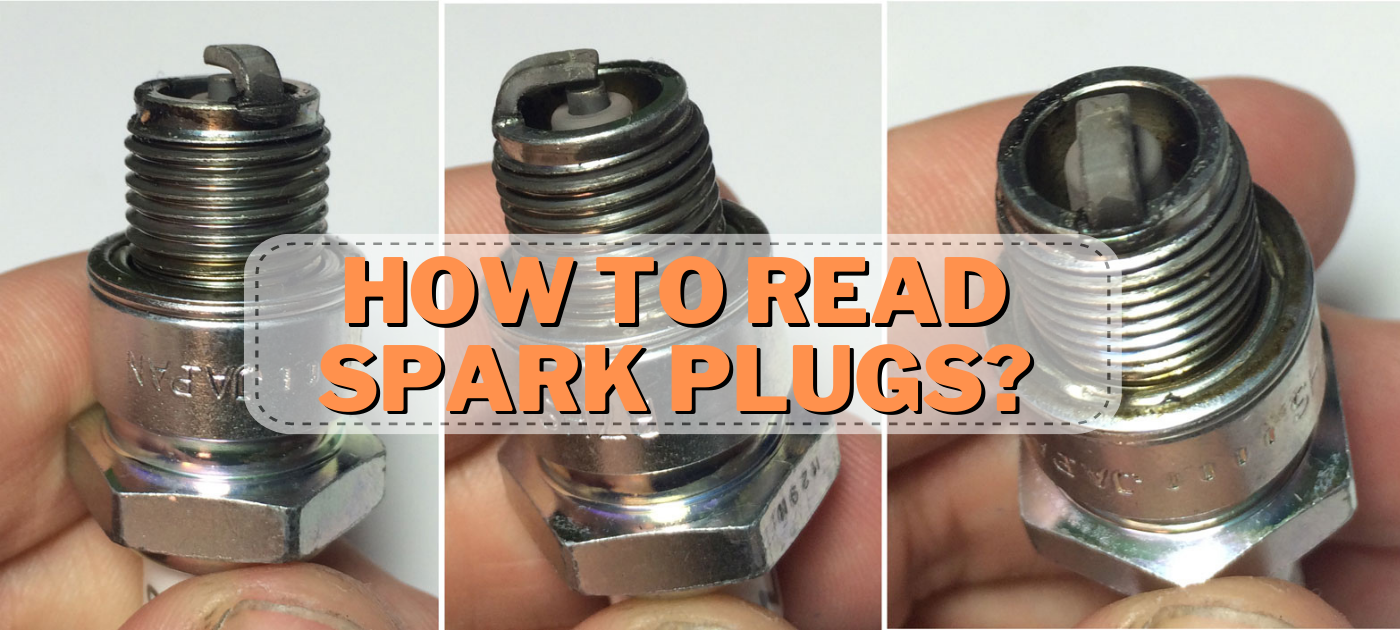
One of the easiest ways to learn how to check if spark plugs are good is through visual inspection. Remove the plug and examine the electrode, insulator, and threads under good lighting.
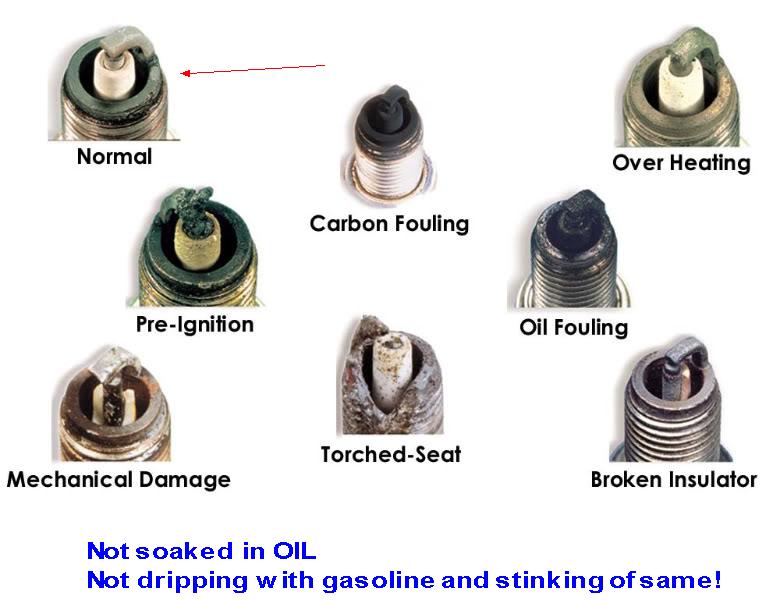
A healthy spark plug typically has a light tan, gray, or brown color on the firing end. The electrode edges should remain fairly sharp, and there should be no heavy deposits or physical damage.

- ✦ Normal Color
Light tan or gray deposits usually indicate efficient combustion.
- ✦ Clean Electrode
Minimal buildup suggests proper engine operation.
- ✦ No Cracks
The ceramic insulator should be intact and free from damage.
What a Healthy Spark Plug Looks Like
The center electrode should not be heavily rounded or eroded. The insulator nose should appear clean with only light deposits.
- ✦ Sharp Edges
Limited wear indicates the plug remains serviceable.
Signs That a Spark Plug Is Bad or Failing
Knowing how to check if spark plugs are good also means recognizing when they are not. Excessive deposits, melted electrodes, oil fouling, and severe wear are warning signs.
Bad spark plugs can cause rough idle, hesitation, engine misfires, reduced power, and poor fuel economy. If these symptoms appear together, inspect the plugs as soon as possible.

- ✦ Carbon Fouling
Dry black deposits often indicate a rich fuel mixture.
- ✦ Oil Fouling
Oily residue may point to internal engine wear.
- ✦ Burned Electrodes
Overheating can damage spark plug components.
Engine Symptoms Linked to Bad Plugs
Hard starting, misfires under load, reduced fuel efficiency, and sluggish acceleration commonly occur when spark plugs fail.
- ✦ Check Engine Light
Persistent misfires can trigger diagnostic trouble codes.
How to Measure Spark Plug Gap
A gap measurement is an important step when learning how to check if spark plugs are good. The gap affects spark strength and ignition efficiency.
Use a spark plug gap tool or feeler gauge. Compare the measurement to the manufacturer’s specification found in the owner’s manual or service information.

- ✦ Too Wide
A large gap can cause misfires and difficult starting.
- ✦ Too Narrow
A small gap may reduce combustion efficiency.
- ✦ Correct Gap
Ensures reliable spark generation and engine performance.
When to Adjust the Gap
Some plugs can be adjusted carefully, while others, especially certain precious-metal plugs, should not be modified significantly.
- ✦ Check Specifications
Always follow manufacturer recommendations.
How to Test Spark Plugs Beyond Visual Inspection
Visual checks are useful, but they do not tell the whole story. Another way to determine how to check if spark plugs are good is by testing spark quality and engine response.
Technicians often use spark testers to confirm that the plug can produce a strong, consistent spark. Weak or inconsistent sparks can indicate plug wear or ignition system issues.
- ✦ Spark Tester
Confirms spark strength under operating conditions.
- ✦ Engine Performance
Smooth idle and acceleration support proper plug function.
- ✦ Diagnostic Scan
Misfire codes can help identify ignition-related issues.
Safety During Testing
Use insulated tools and avoid touching ignition components while the engine is running.
- ✦ Wear Protection
Safety glasses and gloves help reduce risk.
When to Replace Spark Plugs
Even if you know how to check if spark plugs are good, replacement intervals still matter. Most modern spark plugs last tens of thousands of miles, but lifespan varies by plug type and driving conditions.
Replace plugs if they show severe wear, damaged electrodes, cracked insulators, heavy fouling, or if they exceed the recommended service interval.

- ✦ Copper Plugs
Typically wear faster than platinum or iridium designs.
- ✦ Platinum Plugs
Offer longer service life and durability.
- ✦ Iridium Plugs
Provide excellent longevity and performance.
Replacement Best Practices
Replace plugs as a complete set when recommended and use the correct part number for your vehicle.
- ✦ Torque Correctly
Proper installation helps prevent thread and sealing issues.