
If your mower struggles to start, runs rough, or loses power, the spark plug is one of the first parts to inspect. Knowing how to check lawn mower spark plug condition can save time, money, and frustration. In many cases, a simple inspection reveals the cause of common engine problems.
Over the years, I have found that many mower owners replace fuel, filters, and other components before checking the spark plug. Yet this small part plays a critical role in ignition. Learning how to check lawn mower spark plug health is one of the most valuable maintenance skills for any homeowner.

Why the Spark Plug Matters
The spark plug creates the electrical spark that ignites the fuel and air mixture inside the engine. Without a strong spark, the mower cannot start or run properly.
When people search for how to check lawn mower spark plug performance, they are often dealing with hard starts, engine misfires, poor fuel economy, or unexpected shutdowns. A quick inspection can often identify the problem.

- ✦ Starts the Engine
The spark plug ignites fuel during the combustion process.
- ✦ Supports Smooth Operation
A clean plug helps maintain consistent engine performance.
- ✦ Improves Efficiency
Proper ignition helps the mower use fuel more effectively.
Common Symptoms of a Bad Spark Plug
Hard starting, rough idle, power loss, excessive fuel use, and black smoke are common warning signs. While these symptoms can have multiple causes, the spark plug should always be checked early in the troubleshooting process.
- ✦ Difficult Starting
The engine cranks but does not start easily.
- ✦ Misfiring
The engine sputters or runs unevenly.
Tools Needed to Check a Lawn Mower Spark Plug
Before learning how to check lawn mower spark plug condition, gather a few simple tools. Most homeowners already have many of them in the garage.
Using the proper tools makes the inspection safer and more accurate.

- ✦ Spark Plug Socket
Removes and installs the plug safely.
- ✦ Spark Plug Gap Gauge
Measures the electrode gap accurately.
- ✦ Wire Brush
Helps clean light deposits from the plug.
- ✦ Work Gloves
Protects hands during maintenance.
Safety First
Always turn off the mower and disconnect the spark plug wire before beginning work. Allow the engine to cool completely to avoid burns.
- ✦ Disconnect Wire
Prevents accidental starting.
How to Check Lawn Mower Spark Plug Step by Step
The process of how to check lawn mower spark plug condition is simple and usually takes less than 15 minutes. Follow each step carefully for the best results.
Most push mowers, riding mowers, and zero-turn mowers use a similar inspection process.
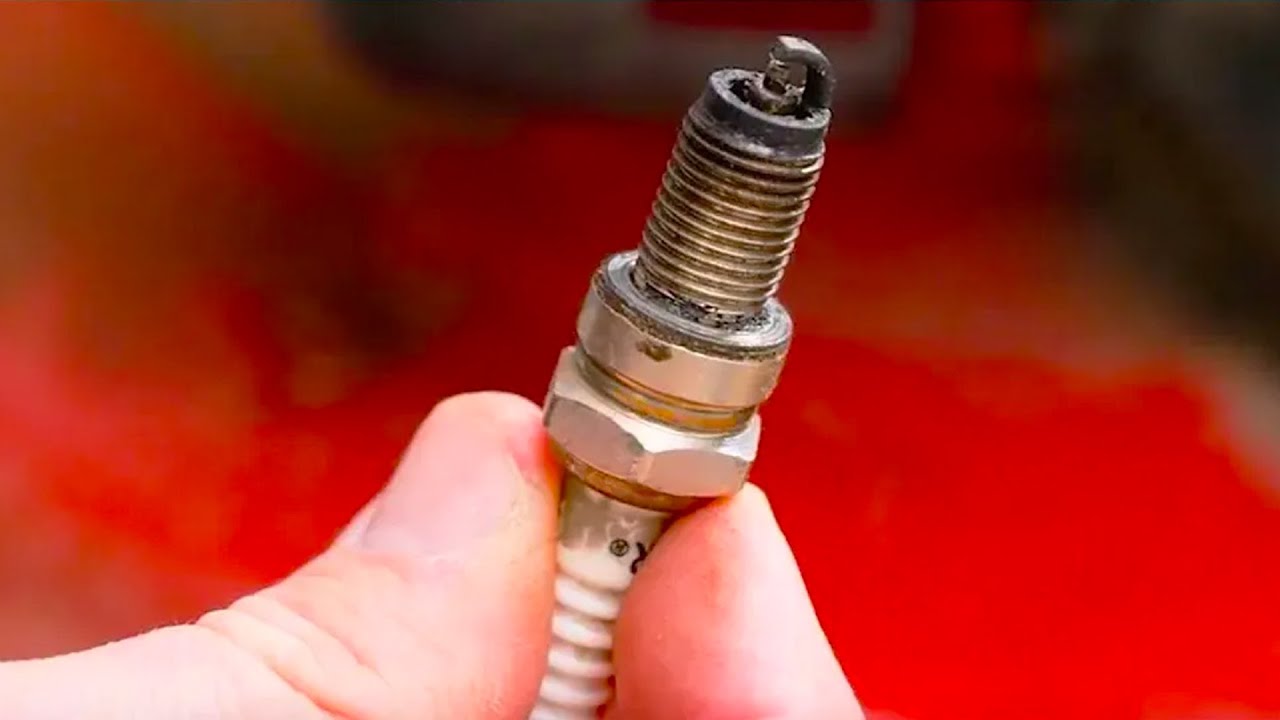
- ✦ Locate the Plug
Find the spark plug attached to the ignition wire on the engine.
- ✦ Remove the Wire
Pull the boot, not the wire itself.
- ✦ Remove the Plug
Use a spark plug socket and ratchet.
Inspect the Plug
Look closely at the electrode, porcelain insulator, and threads. Check for cracks, heavy carbon buildup, oil deposits, corrosion, or physical damage.
- ✦ Check Color
Light tan or gray usually indicates normal operation.
- ✦ Check Damage
Replace plugs with cracks or worn electrodes.
Measure the Gap
Use a spark plug gap gauge to compare the electrode gap with the mower manufacturer’s specifications. Incorrect gaps can cause weak ignition and poor performance.
- ✦ Verify Specifications
Consult the owner’s manual for the correct gap setting.
How to Test for Spark
A visual spark test helps confirm that the ignition system is working. This is an important part of understanding how to check lawn mower spark plug function.
If no spark appears, the problem may involve the spark plug, ignition coil, or safety switches.

- ✦ Reconnect the Plug
Attach the spark plug to the ignition wire.
- ✦ Ground the Plug
Touch the threaded metal portion to engine metal.
- ✦ Crank the Engine
Watch for a strong blue spark.
What a Healthy Spark Looks Like
A healthy spark is bright blue and consistent. A weak orange spark or no spark at all often indicates a problem that requires further diagnosis.
- ✦ Blue Spark
Typically indicates strong ignition performance.
What Different Spark Plug Conditions Mean
The appearance of a spark plug can reveal valuable information about engine health. Experienced technicians often use plug condition as a diagnostic tool.
When learning how to check lawn mower spark plug issues, understanding these visual clues is extremely helpful.

- ✦ Light Brown Deposits
Usually indicate normal combustion.
- ✦ Black Carbon Deposits
May suggest a rich fuel mixture or dirty air filter.
- ✦ Oily Deposits
Can indicate internal engine wear.
- ✦ White Blistering
May signal overheating conditions.
When Replacement Is Best
Even if a spark plug still works, severe wear, cracked porcelain, rounded electrodes, or heavy contamination often justify replacement. New plugs are inexpensive and can improve reliability.
- ✦ Low Cost Repair
Replacing a spark plug is one of the least expensive mower maintenance tasks.
Cleaning and Reinstalling the Spark Plug
If the plug is only lightly dirty and still in good condition, cleaning may extend its service life. Use a wire brush to remove carbon deposits carefully.
After cleaning, verify the electrode gap again before reinstalling the spark plug.

- ✦ Remove Deposits
Clean away carbon buildup with a brush.
- ✦ Check Gap
Adjust if necessary according to specifications.
- ✦ Tighten Properly
Avoid over-tightening, which can damage threads.
Professional Maintenance Tip
Many professionals replace spark plugs annually during spring tune-ups. This proactive approach often prevents frustrating starting problems during peak mowing season.
- ✦ Annual Inspection
Check the spark plug before the mowing season begins.
How Often Should You Check a Lawn Mower Spark Plug
Most mower manufacturers recommend inspecting the spark plug at least once per season. Heavy-use equipment may benefit from more frequent inspections.
Regular maintenance makes how to check lawn mower spark plug condition a quick preventive task instead of an emergency repair.

- ✦ Spring Inspection
Check before the first mowing session of the year.
- ✦ Mid-Season Check
Inspect if performance begins to decline.
- ✦ End-of-Season Service
Evaluate the plug before winter storage.
Factors That Shorten Spark Plug Life
Dusty conditions, poor fuel quality, excessive idling, and neglected air filters can cause spark plugs to wear more quickly.
- ✦ Dirty Air Filters
Can contribute to carbon buildup on the plug.