
If your engine shakes, misses, or struggles to start, the ignition coil is one part worth checking. The coil takes battery voltage and turns it into the high voltage needed to fire the spark plug. Modern cars may use one coil for each plug, while older systems may use a coil pack or one shared coil.
The safest answer to how to test spark plug coil is not to rely on one meter reading. A coil can show a normal resistance value and still fail under heat or load. A good test checks the coil, its power supply, wiring, spark plug, and control signal as a system.
This guide focuses on common gasoline vehicles sold in the U.S. Exact test points and readings differ by make, model, engine, and coil design. When factory service data gives a test method, use that method instead of a generic resistance number.

What Is a Spark Plug Coil?
A spark plug coil is more commonly called an ignition coil. Its job is to turn the car’s low battery voltage into the much higher voltage needed to create a spark at the plug. That spark starts the fuel and air mixture burning inside the engine.
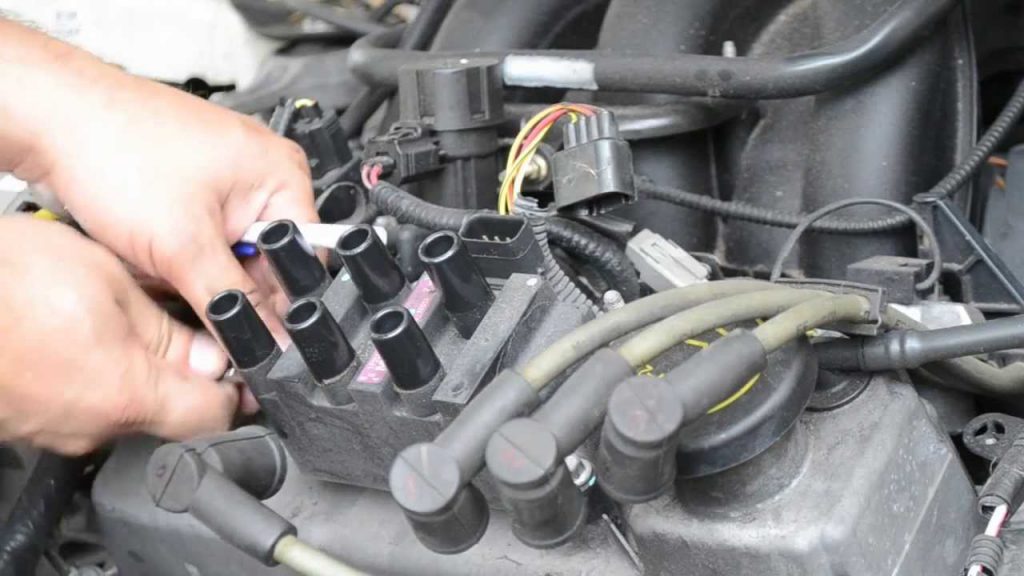
Many newer vehicles use a coil-on-plug setup. Each cylinder has its own coil, often mounted right above the spark plug. Other vehicles use coil packs, where one unit serves two or more cylinders.
Knowing the coil type matters before you start testing. A test that works for an older two-wire coil may not work for a modern smart coil with built-in electronics.
- ✦ Coil-on-plug
One coil sits over, or close to, each spark plug. This is common on modern gasoline engines.
- ✦ Coil pack
One housing contains several ignition coils. The pack sends spark to more than one cylinder.
- ✦ Single ignition coil
Some older systems use one main coil and a distributor or other system to route the spark.
Why a Coil Can Fail
Heat, vibration, age, moisture, and electrical stress can damage an ignition coil. A cracked case or damaged boot can also let the spark leak to ground instead of reaching the plug.
A worn spark plug can add stress to the ignition system. Oil or water around the plug can also cause trouble. This is why a complete diagnosis is better than replacing a coil based on symptoms alone.
- ✦ Heat damage
Repeated heat cycles can weaken the coil and its internal parts.
- ✦ Moisture
Water around the coil or plug can lead to poor spark or spark leakage.
- ✦ Electrical stress
Poor wiring, a damaged plug, or other ignition faults can increase stress on a coil.
Signs That Your Spark Plug Coil May Be Bad
A failing ignition coil often causes a misfire. You may feel the engine shake at idle, stumble during acceleration, or lose power when you press the gas. Some failures happen only after the engine gets hot.
The check engine light may turn on when the engine computer detects a misfire. A scan tool may show a cylinder-specific code, such as a misfire code, but that code does not prove the coil itself is bad.
When learning how to test spark plug coil, treat symptoms as clues rather than proof. A bad plug, injector, wiring fault, vacuum leak, or low engine compression can create similar symptoms.

- ✦ Engine misfire
The engine may shake, stumble, or run unevenly, especially under load.
- ✦ Hard starting
A weak or missing spark can make the engine take longer to start or prevent it from starting.
- ✦ Loss of power
A dead cylinder can reduce engine power and make acceleration feel weak.
- ✦ Poor fuel economy
A misfire can waste fuel because the affected cylinder does not burn the mixture correctly.
- ✦ Check engine light
The engine computer may detect a misfire and store a diagnostic trouble code.
Intermittent Coil Problems
Some coils work when cold but fail after they heat up. This can make diagnosis tricky because the engine may run well during a short driveway test.
If the fault appears only after a long drive, note when it happens. A scan tool, spark tester, or professional ignition test may reveal a problem that a simple cold resistance check misses.
- ✦ Test when the fault occurs
If the coil fails only when hot, testing it only when cold may miss the problem.
- ✦ Watch live data
A scan tool can help show which cylinder is misfiring while the engine runs.
How to Test Spark Plug Coil With a Multimeter
A digital multimeter is a useful tool for basic ignition coil checks. Before you begin, turn the engine off and let hot parts cool. Remove the key or keep the ignition off, and follow the vehicle maker’s instructions for disconnecting the coil.
The key point in how to test spark plug coil with a multimeter is to use the correct terminals and specifications. Do not guess the pins on a modern coil. Some coils contain electronic circuits, so an ohms test may not give a useful result.
Never measure high-voltage output by placing normal multimeter leads into a spark plug wire or coil output. A standard meter is not designed for that high voltage. Use a proper ignition or spark tester when you need to check spark output.

- ✦ 1. Set the meter
Set the digital multimeter to resistance mode when the vehicle service procedure calls for a resistance test.
- ✦ 2. Disconnect the coil
Turn the ignition off and disconnect the coil from its wiring connector before measuring resistance.
- ✦ 3. Identify the terminals
Use the vehicle wiring diagram or service information to identify the correct primary and secondary test points.
- ✦ 4. Check primary resistance
Place the meter probes on the specified primary terminals and compare the reading with the manufacturer’s specification.
- ✦ 5. Check secondary resistance
If the coil design allows a secondary resistance test, measure the specified terminals and compare the result with factory data.
- ✦ 6. Check the result
A reading that is open, shorted, or clearly outside the specified range may indicate a failed coil, but the correct vehicle specification is essential.
Why Factory Resistance Specs Matter
There is no single resistance number that proves every ignition coil is good or bad. Coil designs vary, and some modern coils have internal electronics that make a simple ohms test less useful.
For this reason, a reading should be compared with the exact specification for your engine. If the service data does not call for resistance testing, use the recommended test instead.
- ✦ Normal reading
A reading within the specified range means the coil passes that one resistance check. It does not prove the coil works under load.
- ✦ Open circuit
A meter may show OL or another open-circuit indication when a winding is broken or when the test points are not correct.
- ✦ Short circuit
A very low reading can suggest a short, but the correct specification is needed before calling the coil faulty.
How to Test Spark Plug Coil Without a Multimeter
You can often narrow down a coil problem without measuring resistance. One useful method is a cylinder swap test. Another is an inline spark tester, which lets you check whether the ignition system can produce a visible spark.
The swap test works best on vehicles with separate coil-on-plug units. If a misfire follows the coil to another cylinder, the coil becomes a strong suspect. This method does not require you to assume a particular resistance value.
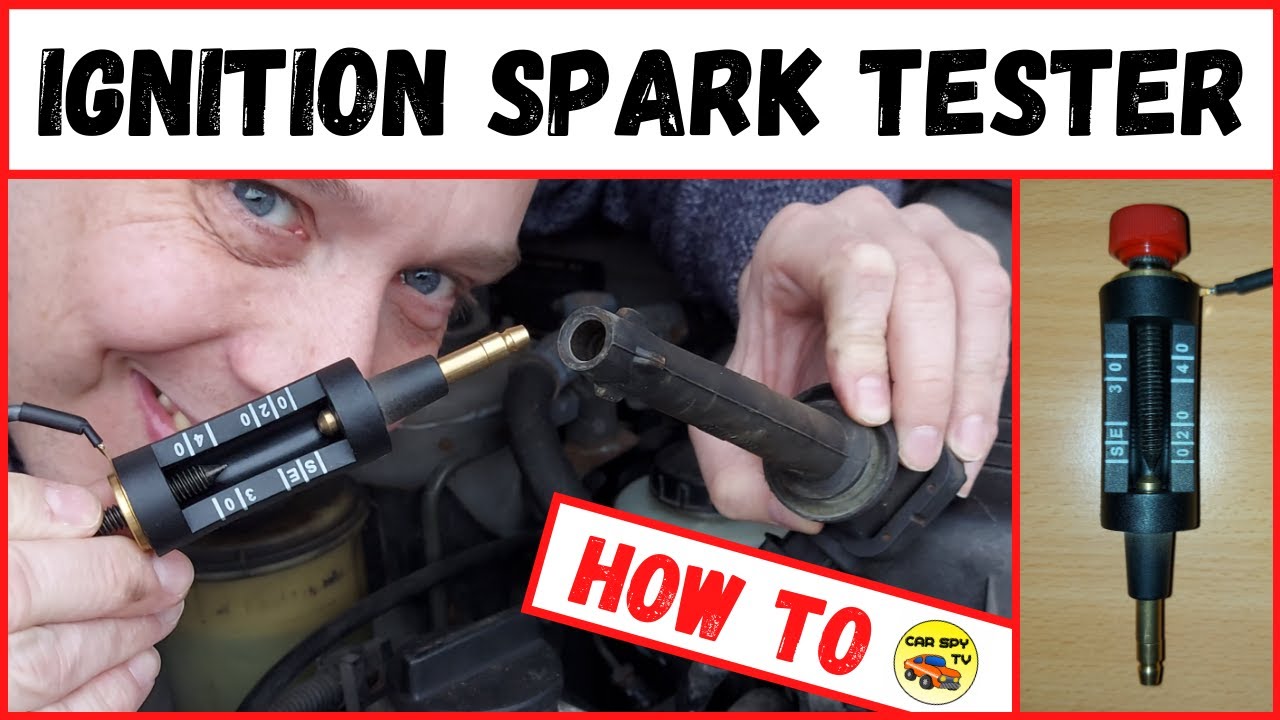
A spark tester can also help. It connects in the ignition path and provides a controlled way to check for spark. Follow the tester instructions and the vehicle service procedure, because ignition systems can produce very high voltage.

- ✦ Cylinder swap test
Move the suspected coil to another compatible cylinder, clear or note the fault codes, and see whether the misfire moves with the coil.
- ✦ Inline spark tester
Use a purpose-built spark tester to check for ignition spark instead of holding a plug wire near the engine.
- ✦ Visual inspection
Look for cracks, melted plastic, carbon tracking, damaged boots, oil, water, or loose connectors.
How the Coil Swap Test Works
Suppose a scan shows a misfire on cylinder three. If the coils are interchangeable, move the cylinder three coil to cylinder one. If the misfire later appears on cylinder one, the coil is a likely cause.
Do not swap coils when the vehicle manufacturer warns against it. The coils must be the correct type, and you should keep track of their original positions. A professional diagnosis may still be needed before replacing parts.
- ✦ Record the first cylinder
Write down which cylinder has the misfire before moving anything.
- ✦ Move only the coil
Keep the spark plug, injector, and other parts in their original locations when possible.
- ✦ Look for the misfire to move
If the fault follows the coil, that is useful evidence that the coil may be defective.
How to Check Coil Power, Ground, and Wiring
A coil cannot work if it does not receive the right electrical signals. Before replacing a coil, check its connector, wiring, power supply, and ground as the vehicle service procedure allows. A broken wire can look exactly like a failed coil.
This is an important part of how to test spark plug coil because a new coil will not fix a missing power or control signal. Look for loose pins, corrosion, damaged insulation, oil contamination, and wires that have rubbed against the engine.
The exact voltage and signal checks vary by system. Some coils receive battery voltage and a switching control signal from the engine computer. Others have built-in electronics and use different control methods.

- ✦ Inspect the connector
Check for bent pins, corrosion, loose terminals, broken locks, and signs of heat damage.
- ✦ Check power
Use the vehicle wiring diagram and service procedure to verify that the coil receives the required supply.
- ✦ Check ground
Where the design uses a dedicated ground, verify that the ground path meets the manufacturer’s test requirements.
- ✦ Check control signals
Some systems need a switching signal from the engine computer. A scope or other suitable test tool may be needed.
Do Not Blame the Coil Too Soon
A misfire code identifies a cylinder or condition, not always the failed part. For example, a cylinder-specific misfire can come from the plug, injector, compression, air leak, wiring, or coil.
A good diagnostic habit is to prove the fault before buying parts. This saves time and helps prevent replacing several good coils when the real problem is elsewhere.
- ✦ Spark plug
Check plug condition, gap, contamination, and the correct plug type for the engine.
- ✦ Fuel injector
A fuel delivery problem can cause a cylinder misfire even when the ignition system works.
- ✦ Compression
Low compression can cause a persistent misfire that a new coil will not repair.
How to Test Spark Plug Coil Safely
Ignition systems can create very high voltage. Even a small gasoline engine can produce enough voltage to cause a painful shock. Keep hands, tools, clothing, and test leads away from moving belts, fans, and exposed ignition parts.
Do not pull an ignition wire or coil from a running engine just to see whether the engine changes. Do not hold a spark plug wire near metal to create a spark. Use a purpose-built spark tester and follow the tester and vehicle instructions.
Work on a cool engine when possible. If you need to run the engine for a test, keep the work area clear and avoid touching hot exhaust parts.
- ✦ Turn the ignition off
Switch the ignition off before disconnecting a coil, connector, or spark plug unless the service procedure specifically requires another method.
- ✦ Avoid high-voltage contact
Do not touch coil outputs, plug wires, or exposed ignition connections while the system is operating.
- ✦ Use the right tester
Use an approved spark tester for spark checks rather than improvised methods.
- ✦ Protect the engine
Follow the manufacturer’s procedure when disabling fuel or ignition during tests so the engine and catalytic converter are not damaged.
- ✦ Know when to stop
If you are unsure about a high-voltage test, wiring diagram, or control circuit, have a qualified technician perform the diagnosis.
When Professional Testing Makes Sense
A shop may use a scan tool, lab scope, current probe, spark tester, pressure tester, or other tools to find a fault that a basic multimeter cannot show. This matters when the coil fails only when hot or only under load.
Professional testing is also useful when several cylinders misfire at once. That pattern may point to a power supply, engine control, fuel, timing, or mechanical problem rather than several failed coils.
- ✦ Multiple misfires
Several affected cylinders can point to a shared system problem.
- ✦ Intermittent fault
A fault that comes and goes may need live data or a scope to catch the failure.
- ✦ No clear test result
If basic tests disagree, more advanced diagnosis can prevent unnecessary parts replacement.
How to Interpret Your Spark Plug Coil Test Results
A failed resistance test can provide strong evidence of a bad coil when the test method and specification are correct. But a passing resistance test does not always prove that the coil is healthy. Some faults appear only when the coil is hot, under load, or receiving its normal control signal.
If a coil swap makes the misfire move to another cylinder, that is useful evidence. If the misfire stays in the same cylinder, look at the spark plug, injector, wiring, compression, and other possible causes.
The best way to finish how to test spark plug coil is to compare several pieces of evidence. Use the symptoms, scan data, visual checks, electrical tests, and vehicle-specific specifications together.
- ✦ Coil fails the specified resistance test
The coil may be defective if the test was done correctly and the reading is outside the manufacturer’s stated range.
- ✦ Coil passes resistance but misfires
Do not automatically declare the coil good. Continue with spark, power, control, and swap tests as appropriate.
- ✦ Misfire follows the coil
A misfire that moves with the coil during a proper swap test strongly supports the coil as the cause.
- ✦ Misfire stays on one cylinder
Check other causes such as the plug, injector, wiring, air leaks, and engine compression.
A Simple Diagnostic Order
Start with the easiest checks. Read the trouble codes, inspect the coil and connector, and check the spark plug. Then test the coil using the method recommended for your vehicle.
If the basic checks do not identify the fault, move to power, ground, control signal, fuel, and compression tests. This step-by-step approach is often faster and cheaper than replacing parts at random.
- ✦ Step 1
Scan for diagnostic trouble codes and note which cylinders or systems are affected.
- ✦ Step 2
Inspect the coil, boot, plug, connector, and wiring.
- ✦ Step 3
Perform the correct coil test for the vehicle.
- ✦ Step 4
If needed, compare the suspected coil with a known-good compatible coil through a proper swap test.
- ✦ Step 5
Test other possible causes if the coil does not clearly explain the fault.