
A bad spark plug wire can cause a rough idle, hard starting, weak power, or an engine misfire. The good news is that you do not always need a multimeter to start checking the wires. A careful visual check and a proper spark test can reveal many common wire faults.
When learning how to test spark plug wires without a multimeter, safety matters most. The ignition system can produce very high voltage. Keep hands, tools, loose clothing, and hair away from moving parts, and never touch an ignition wire while the engine is running.
In a typical repair job, I start with the simple checks first. I look for cracked insulation, loose boots, burn marks, oil damage, and poor routing. Then I use a spark tester when needed. This approach can save time before you replace parts that may still be good.
What Spark Plug Wires Do
Spark plug wires carry high-voltage power from the ignition coil or distributor to the spark plugs on engines that use traditional plug wires. The voltage travels through the wire and reaches the plug. The spark then jumps the plug gap and helps ignite the air and fuel mix.
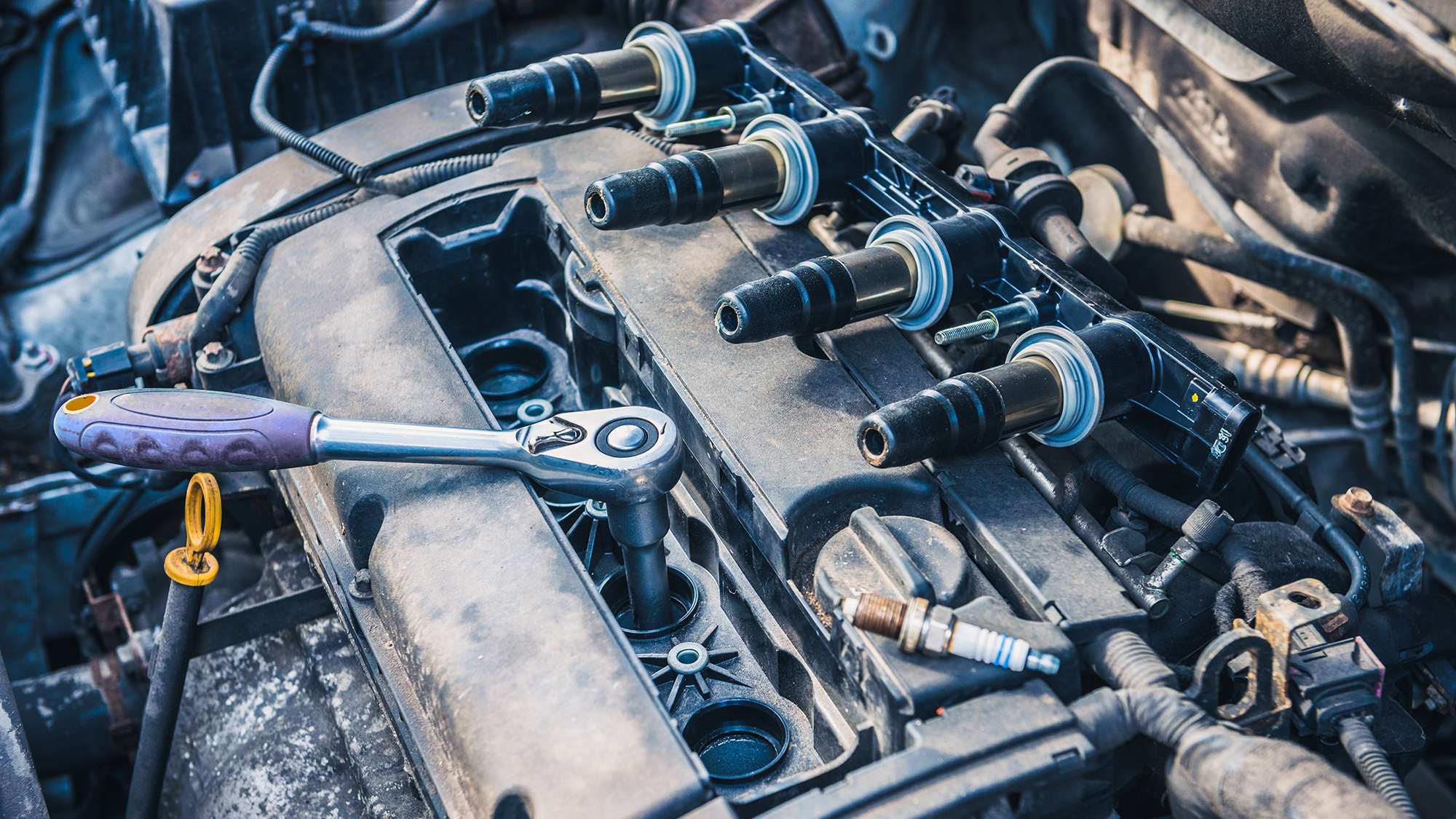
Modern vehicles may use coil-on-plug ignition instead of long spark plug wires. In that setup, each ignition coil sits close to or directly on a spark plug. Before testing anything, check whether your vehicle actually uses removable spark plug wires.
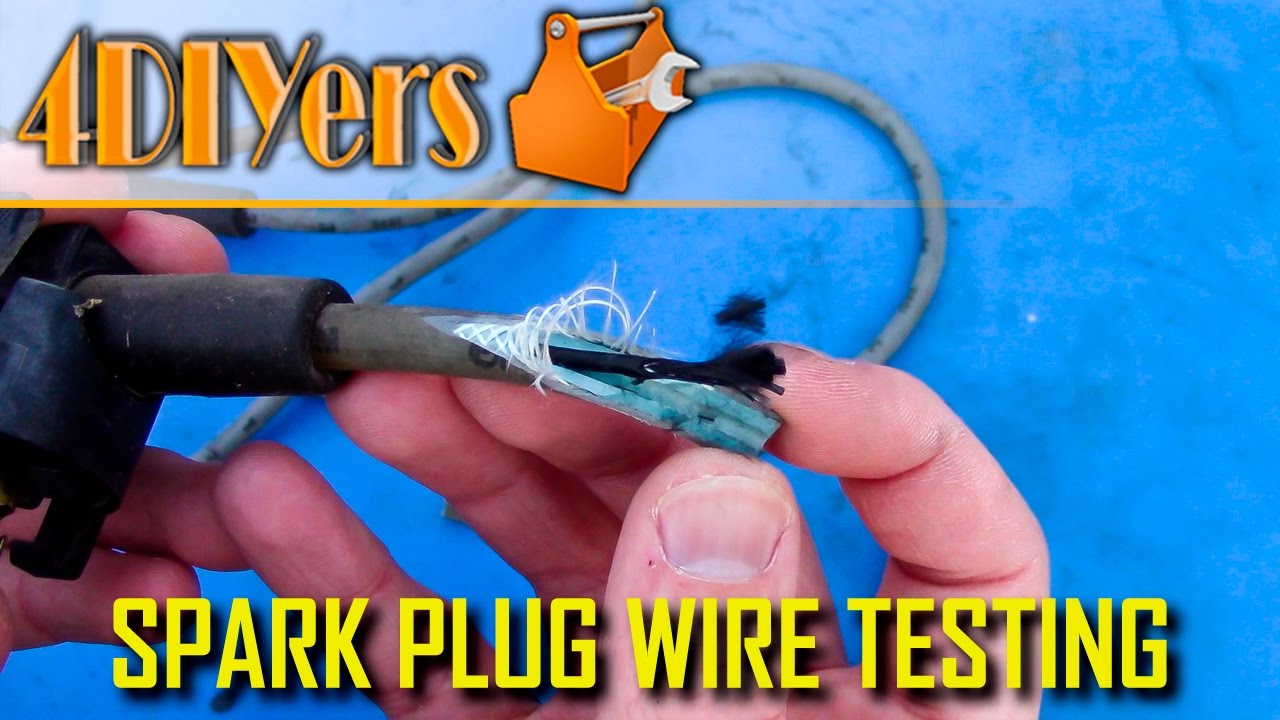
A wire can fail in several ways. Its insulation may crack, its metal core may break, or its boot may lose a good connection. A wire may also leak voltage through damaged insulation, especially when the engine is hot or damp.
- ✦ Carries ignition voltage
The wire transfers high-voltage energy to the spark plug so the plug can make a spark.
- ✦ Protects the current path
The outer insulation helps keep high voltage away from nearby metal parts and other wires.
- ✦ Connects at both ends
The wire must make a firm connection at the ignition source and at the spark plug.
Signs of a Bad Spark Plug Wire
The first step in how to test spark plug wires without a multimeter is to know what failure looks like. A bad wire often causes a misfire, but the exact symptom can vary. Some problems appear only when the engine is under load or when the wire gets hot.
Do not assume every misfire comes from a spark plug wire. A worn spark plug, weak ignition coil, fuel problem, vacuum leak, or engine fault can create similar symptoms. Use the wire tests as part of a wider diagnosis.
- ✦ Rough idle
The engine may shake or run unevenly at idle when one cylinder is not firing correctly.
- ✦ Engine misfire
A faulty wire can stop a spark from reaching the plug at the right time.
- ✦ Hard starting
Weak or leaking ignition energy can make an engine harder to start.
- ✦ Weak acceleration
A cylinder that misses under load can make the vehicle feel slow or hesitant.
- ✦ Poor fuel economy
Repeated misfires can waste fuel because the air and fuel mix does not burn normally.
- ✦ Visible wire damage
Cracks, melted areas, deep cuts, burn marks, or loose boots are strong reasons to inspect the wire more closely.
How to Test Spark Plug Wires Without a Multimeter
There are several ways to check spark plug wires without a multimeter. Start with the engine off and cold when possible. A visual inspection is the safest first step, followed by a spark test if you need more evidence.
The most useful method depends on the tools you have. A dedicated spark tester is a better choice than trying to watch a spark jump from a loose wire. You can also use a cylinder swap test when the wire design allows it, but you must keep the firing order correct.

- ✦ Method 1: Visual inspection
Look closely at the full length of each wire, including both boots and connection points.
- ✦ Method 2: Spark tester
Use a proper inline spark tester to see whether the ignition system can produce a strong spark.
- ✦ Method 3: Darkness inspection
In a safe, dark area, look for visible arcing around damaged wires while the engine runs. Never touch the wires.
- ✦ Method 4: Cylinder swap
Where practical and safe, swapping matching wires can help show whether a fault follows the wire. Keep the original routing and firing order documented.
Step 1: Turn the Engine Off and Inspect the Wires
Open the hood with the engine off. Look at each wire from end to end. Check for cracks, cuts, swelling, melted spots, hard insulation, burn marks, and loose boots.
Look closely where the wires pass near the exhaust manifold or other hot parts. Heat can damage the insulation over time. Also check for oil or coolant contamination because fluids can damage some wire materials and boots.
- ✦ Check the boots
Make sure each rubber boot fits firmly and does not show tears or carbon tracking.
- ✦ Check the routing
Make sure wires do not rub against sharp edges or sit against very hot engine parts.
Step 2: Check the Connections
With the engine off, gently check each wire connection. The wire should fit firmly on the spark plug and at the distributor or coil connection, depending on the vehicle.
Do not pull hard on the wire itself. Grip the boot when removing it. Pulling on the wire can damage the connection inside the boot and create a new problem.
- ✦ Firm fit
The boot should seat fully and should not feel loose at the plug.
- ✦ Clean contact
Look for corrosion, dirt, moisture, or other contamination around the connection.
Step 3: Use a Spark Tester
A spark tester is one of the best tools for how to test spark plug wires without a multimeter. It is made for checking ignition spark and gives you a clear visual result without requiring you to hold a high-voltage wire near engine metal.
Follow the tester maker’s instructions for connecting it. Crank or start the engine as directed and watch the tester. A strong, regular spark suggests that ignition energy is reaching that point, while a missing or weak spark calls for more testing.
A spark test does not prove that the wire is perfect under every condition. Some wires fail only when hot, wet, or under engine load. If the result is unclear, compare the suspect cylinder with another known-good cylinder when the vehicle design and service procedure allow it.
- ✦ Use the right tester
Choose a spark tester designed for automotive ignition systems and follow its instructions.
- ✦ Watch the pattern
A steady spark is more useful than a single random flash.
- ✦ Do not touch the ignition system
Keep your hands away from plug wires, coils, distributor parts, belts, fans, and other moving or high-voltage components.
How to Do a Visual Spark Test in the Dark
A dark-area inspection can sometimes reveal voltage leaking from a damaged spark plug wire. With the engine running, look carefully for tiny flashes or a faint blue glow around the wire. This can indicate that high voltage is escaping through damaged insulation.
Only use this method if you can keep a safe distance from the engine and its moving parts. Do not touch, move, or press on a wire while the engine is running. If access is tight or you cannot safely see the wires, skip this method and use a spark tester.
Moisture can make a weak wire easier to spot, but deliberately spraying water around a running ignition system is not a good general test. It can create electrical hazards and may damage other components. A proper tester is the safer choice.

- ✦ Work in a safe area
Park securely, keep clear of traffic, and make sure the vehicle cannot move.
- ✦ Look for arcing
Small flashes around a damaged wire can show that high voltage is escaping.
- ✦ Never touch the wire
High ignition voltage can cause a painful shock and sudden movement can also create an injury risk.
Can You Test Spark Plug Wires With a Screwdriver?
Some DIY guides describe using a screwdriver to look for ignition arcing. This can sometimes reveal a damaged wire, but it is not a controlled test. A metal screwdriver can also create an unwanted path for high voltage and can increase the risk of shock or damage.
For that reason, a dedicated spark tester is the better choice. If you have no tester, start with a careful visual inspection and engine-symptom comparison rather than placing a metal tool near a live ignition wire.

- ✦ Why the method is used
A conductive tool can make voltage leakage easier to see in some situations.
- ✦ Why caution is needed
The ignition system produces high voltage, and an improvised test does not provide the same control as a purpose-built tester.
- ✦ Safer choice
Use an automotive spark tester whenever possible and follow the tool instructions.
How to Compare a Suspect Wire With a Good Wire
If one cylinder seems to be misfiring, compare its wire with another wire from the same ignition system. Look at length, insulation, boot condition, routing, and connection quality. A clear difference can help point to the problem.
Some older ignition systems use wires that look similar but are not interchangeable without care. Never swap wires randomly. Mark each wire before removing it and keep the engine’s firing order correct.
A useful diagnostic clue is whether the engine problem changes when a known-good component replaces the suspect one. If the problem follows the wire, the wire becomes a stronger suspect. If the problem stays on the same cylinder, inspect the plug, coil or distributor, fuel system, and mechanical condition as well.

- ✦ Mark every wire
Label wires before moving them so you do not create a firing-order problem.
- ✦ Compare like with like
Compare wires that serve similar cylinders and use the vehicle service information when needed.
- ✦ Track the symptom
A fault that moves with a component provides useful diagnostic evidence.
What to Do if the Spark Plug Wire Looks Good
A clean-looking wire is not automatically a good wire. Internal damage may not show on the outside, and some faults appear only when the engine is hot or when the ignition system is under greater demand.
If the visual check and spark test look normal, widen the diagnosis. Check the spark plug, ignition coil or distributor, fuel delivery, vacuum system, and engine condition as appropriate for the vehicle.
If your vehicle has a check engine light, an OBD-II scan can provide useful information. A cylinder-specific misfire code can help you focus your testing, but the code does not prove that the spark plug wire is the cause.

- ✦ Check the spark plug
A worn, fouled, cracked, or incorrectly gapped plug can cause symptoms that look like a wire problem.
- ✦ Check ignition parts
A weak coil, damaged distributor cap, or rotor can also cause a weak or missing spark on older systems.
- ✦ Check fuel and air
A clogged injector, vacuum leak, or other mixture problem can produce a misfire even when the ignition system works.
When a Professional Test Makes Sense
If the vehicle still misfires after basic checks, a professional diagnosis may save time. A shop can test ignition performance under conditions that a simple driveway check cannot reproduce.
Follow the vehicle maker’s service information for exact ignition tests. Different engines use different ignition systems, and the correct test for one engine may not apply to another.
- ✦ Persistent misfire
A misfire that remains after basic checks needs a wider diagnosis.
- ✦ Hard-to-reach components
Avoid risky testing when wires or ignition parts sit near hot or moving engine components.
- ✦ Modern ignition systems
Some newer engines do not use conventional spark plug wires, so another diagnostic method may be required.
Safety Tips for Testing Spark Plug Wires
Safety is the most important part of how to test spark plug wires without a multimeter. Ignition systems generate high voltage, and the engine bay contains hot surfaces, fans, belts, pulleys, and other moving parts.
Work on a stable vehicle in a well-ventilated area. Keep tools and clothing away from moving parts, and never test an ignition system in a way that requires you to hold a live wire.
If a wire or boot is badly damaged, replace it instead of repeatedly testing it. Also follow the vehicle manufacturer’s service instructions because ignition layouts and safe test points vary.
- ✦ Keep hands away
Never touch a spark plug wire, coil connection, or distributor component while the ignition system is active.
- ✦ Avoid moving parts
Stay clear of belts, fans, pulleys, and other moving engine parts when the engine runs.
- ✦ Watch hot surfaces
Exhaust parts can become extremely hot, even after a short drive.
- ✦ Use proper tools
A purpose-built spark tester is safer and more controlled than an improvised test.
- ✦ Do not create sparks near fuel
Keep ignition testing away from fuel leaks, vapors, and open fuel containers.
Common Mistakes to Avoid
Many failed DIY diagnoses come from changing several parts at once. If you replace the wires, plugs, coil, and other parts together, you may fix the problem without learning what caused it. Test one part or system at a time when practical.
Another common mistake is treating a visual check as proof that a wire works. Visual inspection can find obvious damage, but it cannot rule out every internal or heat-related fault.
Finally, do not ignore the rest of the ignition system. A spark plug wire is only one part of the path from the ignition source to the spark plug.
- ✦ Do not touch live wires
Never use your hands to feel for ignition leakage while the engine runs.
- ✦ Do not rely on looks alone
A wire may pass a visual check and still have an internal fault.
- ✦ Do not change many parts at once
Replacing several components at once makes it harder to identify the actual cause.
- ✦ Do not ignore vehicle design
Some engines use coil-on-plug systems and have no traditional spark plug wires to test.