
A weak or missing spark can make a mower hard to start, cause rough running, or stop the engine from running at all. The spark plug is easy to check, so it makes sense to test it before taking apart more of the engine.
When learning how to test lawn mower spark plug performance, use a spark tester when possible. A tester gives a more useful result than simply holding a loose plug against the engine and watching for a spark. A visual check of the plug also helps find damage, fouling, and wear.

What a Lawn Mower Spark Plug Does
A spark plug helps start the fuel and air mixture inside a gasoline engine. The ignition system sends a high-voltage pulse through the plug. That pulse jumps across the small gap at the plug tip and makes a spark.
If the plug cannot make a good spark, the engine may not start. A dirty plug can also cause poor running. Still, a no-start problem does not always mean the plug is bad.
- ✦ Ignites the mixture
The plug creates the spark that starts combustion inside the cylinder.
- ✦ Needs the right gap
The gap between the center and ground electrodes must match the engine maker’s specification.
- ✦ Works with the ignition system
The plug depends on the plug wire, ignition coil, flywheel, and engine controls to create and deliver a spark.
Why Spark Matters
A gasoline mower needs three basic things to run: fuel, air, and ignition. If fuel and air are present but the ignition spark is missing, the engine will not start. This is why spark testing is a useful early step during mower troubleshooting.
Tools You Need to Test a Lawn Mower Spark Plug
You do not need a large tool kit for this job. A socket or spark plug wrench is usually enough to remove the plug. A dedicated spark tester is the most useful extra tool because it lets you check the ignition system without relying on a loose plug and a visual guess.
Before you begin, let the engine cool. Work outdoors or in a well-ventilated area. Keep gasoline, flames, cigarettes, and other ignition sources away from the mower.

- ✦ Spark plug socket
Use the correct size for your mower’s spark plug.
- ✦ Spark tester
A spark tester checks whether the ignition system can produce a visible spark under a controlled setup.
- ✦ Wire brush
A suitable plug brush can remove light deposits during inspection, although a badly fouled or damaged plug is often better replaced.
- ✦ Owner’s manual
Use the manual to find the correct plug type, gap, tightening method, and safety steps.
How to Test Lawn Mower Spark Plug Step by Step
The following process works for many common gasoline push mowers and riding mowers. Exact parts and controls vary, so check your owner’s manual before you begin.
If you are asking how to test lawn mower spark plug condition at home, start with a visual inspection. Then use a spark tester for a more useful ignition check.

- ✦ 1. Turn off the mower
Shut the engine off and let it cool. Move the mower to a flat, clear work area.
- ✦ 2. Disconnect the spark plug wire
Pull the insulated boot from the spark plug. Do not yank the wire itself.
- ✦ 3. Clean around the plug
Remove grass, dirt, and loose debris around the plug before taking it out. This helps keep debris from entering the cylinder.
- ✦ 4. Remove the spark plug
Use the correct spark plug socket and turn the plug out carefully.
- ✦ 5. Inspect the plug
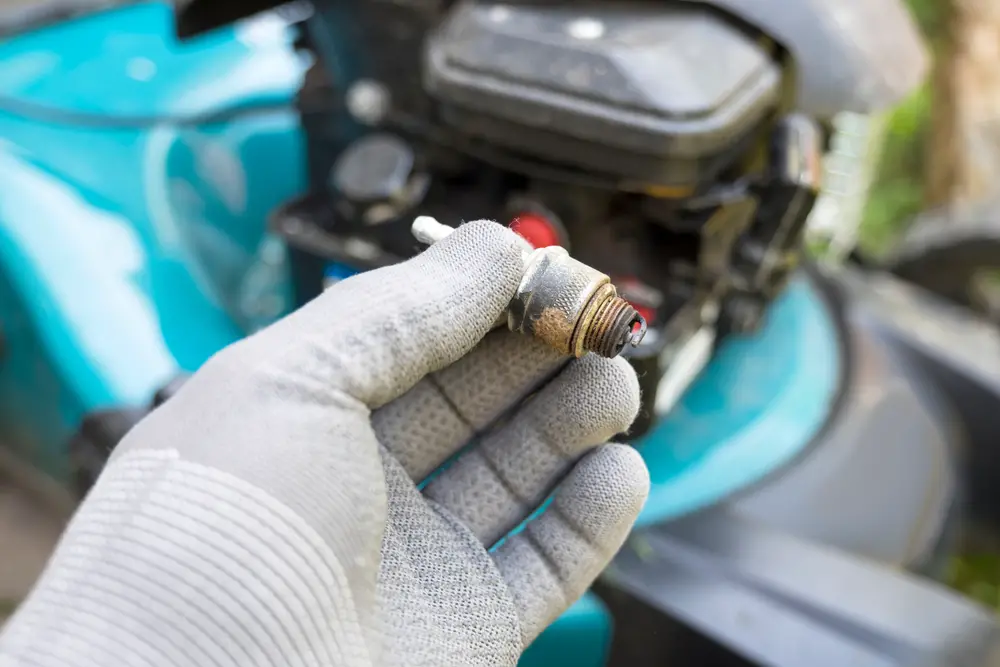
Look for a cracked insulator, damaged electrode, heavy carbon, oil, wet fuel, or severe wear.
- ✦ 6. Check the gap
Use a gap gauge if the plug maker or engine maker specifies a gap check. Do not guess the correct gap.
- ✦ 7. Test the spark
Connect a spark tester between the spark plug wire and the plug, following the tester instructions. Crank the engine and watch the tester for a spark.
- ✦ 8. Interpret the result
A clear, repeatable spark suggests that the ignition circuit is working at the test point. No spark means you need to inspect the plug and the rest of the ignition system.
Step 1: Make the Mower Safe
Safety comes first. Turn the mower off and allow hot engine parts to cool. Remove the ignition key on a riding mower when applicable, and follow the manufacturer’s instructions for preventing accidental starting.
Keep your hands, clothing, and tools away from moving engine parts. Never test a running mower by reaching near the flywheel or blade.
- ✦ Disconnect the plug wire
Keep the plug wire away from the plug while you inspect it.
- ✦ Work in fresh air
Gasoline fumes can collect in enclosed spaces, so outdoor work is preferred.
Step 2: Remove and Inspect the Plug
Remove the plug only after cleaning the area around it. Examine the ceramic insulator and metal tip. A crack, badly worn electrode, or severe deposit can point to a plug that needs replacement.
Do not assume every dark plug is bad. Light deposits can occur during normal use. The plug’s condition, the engine’s symptoms, and the manufacturer’s service guidance all matter.
- ✦ Cracked ceramic
A cracked insulator is a reason to replace the plug.
- ✦ Worn electrode
A badly worn electrode can make ignition less reliable.
- ✦ Wet plug
A fuel-wet plug may indicate flooding or repeated starting attempts, not just a bad plug.
- ✦ Oil-coated plug
Oil on the plug can point to an engine or breather issue that a new plug alone may not fix.
Step 3: Use a Spark Tester
A spark tester is the preferred way to check spark because it provides a controlled test point. Follow the tester’s instructions and connect it between the plug wire and the spark plug or ignition circuit as directed by the tool maker.
Crank the engine using the mower’s normal starting method. Watch the tester while the engine turns. If the tester shows a steady spark, the ignition system is producing spark at that point.
- ✦ Spark present
The ignition system is producing a spark at the test point. Continue troubleshooting fuel, air, compression, or other causes if the mower still will not run.
- ✦ No spark
Inspect the plug, plug wire, ignition coil, kill circuit, and related parts.
- ✦ Weak or irregular spark
Check the plug and ignition components further. A repeatable tester result is more useful than judging spark color alone.
How to Test a Lawn Mower Spark Plug Without a Tester
If you do not have a spark tester, you may see instructions that tell you to remove the plug, reconnect the plug wire, and hold the metal shell against a clean engine ground while cranking. This method can show whether a spark is present, but it is less controlled than using a proper tester.
If you use any manual spark check, keep your hands away from the plug tip and other exposed ignition parts. High-voltage ignition systems can deliver an unpleasant shock. Do not hold the plug with bare fingers while cranking the engine.

- ✦ Use a proper tester when possible
A spark tester reduces guesswork and gives you a safer, clearer test setup.
- ✦ Do not rely on spark color alone
Color and appearance can vary. A controlled tester result is more useful for basic troubleshooting.
- ✦ Keep the plug grounded correctly
If the manufacturer’s procedure allows an external plug test, use a clean engine ground and follow the stated safety steps.
- ✦ Never test near fuel vapors
A spark can ignite gasoline vapors. Work away from spills and open fuel containers.
Why a Tester Is Better
A spark tester lets you observe ignition without placing your fingers near an exposed plug. It also makes repeated tests easier. For regular mower maintenance, a basic tester can save time when a machine suddenly refuses to start.
How to Read the Spark Plug Condition
A spark plug can tell you useful things about how an engine has been running. Still, plug appearance is only one clue. Do not diagnose a larger engine problem from plug color alone.
When learning how to test lawn mower spark plug health, compare what you see with the engine maker’s service guidance. Replace the plug if it is damaged or worn beyond the maker’s limits.

- ✦ Light tan or gray deposits
A light deposit can be normal on a used plug. It does not automatically mean the plug needs replacement.
- ✦ Heavy black deposits
Carbon or soot can reduce reliable ignition. The cause may involve fuel mixture, air flow, oil use, or operating conditions.
- ✦ Wet with gasoline
A wet plug often points to flooding or repeated failed starts. Drying or replacing the plug may help, but the cause of flooding should also be checked.
- ✦ Oil fouling
Oil on the firing end may indicate an engine issue rather than a simple spark plug fault.
- ✦ Cracked insulator
Cracks can allow the spark to travel where it should not. Replace a cracked plug.
- ✦ Rounded or badly worn electrode
Severe electrode wear can change the gap and reduce reliable ignition. Replace the plug according to the service guidance.
Check the Spark Plug Gap
The spark plug gap is the small space where the ignition spark jumps. The correct gap depends on the engine and plug. Use the specification in the owner’s manual or the engine maker’s service information rather than a generic number.
A gap that is too wide or too narrow can affect ignition. Use a proper gap gauge and adjust the plug only in the way the plug manufacturer permits.
What a No-Spark Test Result Means
If you test a lawn mower spark plug and find no spark, do not immediately buy a new plug. First check whether the plug itself is faulty. If a known-good plug also has no spark, the problem likely lies elsewhere in the ignition circuit.
Small engines use several parts to create and control ignition. The exact design varies by mower. Use the service manual for your engine before testing electrical parts.
- ✦ Bad spark plug
A damaged, fouled, cracked, or badly worn plug can fail to ignite the mixture.
- ✦ Damaged plug wire or boot
A loose, damaged, or poorly connected plug wire can prevent high voltage from reaching the plug.
- ✦ Ignition coil problem
A failed or poorly positioned ignition coil can prevent the system from producing usable spark.
- ✦ Kill switch or safety circuit
The mower’s stop circuit can intentionally ground the ignition system and prevent spark.
- ✦ Flywheel or magnet issue
On many small engines, the flywheel and its magnet work with the ignition coil to create the ignition pulse.
Test a Known-Good Plug
If the original plug fails a spark test, compare it with a correctly specified replacement or known-good plug. The replacement must match the engine maker’s required type and specifications.
If both plugs fail to spark, stop blaming the plug. Move to the plug wire, ignition coil, stop circuit, and other ignition components.
When to Stop Troubleshooting
Stop if you are unsure about an electrical test or if the mower requires procedures that are not covered by its manual. A small engine repair shop can test the ignition system with the correct equipment.
Also stop if you find damaged wiring, fuel leaks, severe engine damage, or another safety issue. A spark test is a simple check, but it should not turn into unsafe trial and error.
Common Reasons a Lawn Mower Has a Weak or Missing Spark
A no-start mower can have more than one fault. A dirty plug, failed ignition part, bad fuel, blocked air path, or low compression can produce similar symptoms. That is why a simple test sequence works better than replacing random parts.
Once you know how to test lawn mower spark plug output, you can separate ignition problems from fuel and mechanical problems. This can save both time and money.
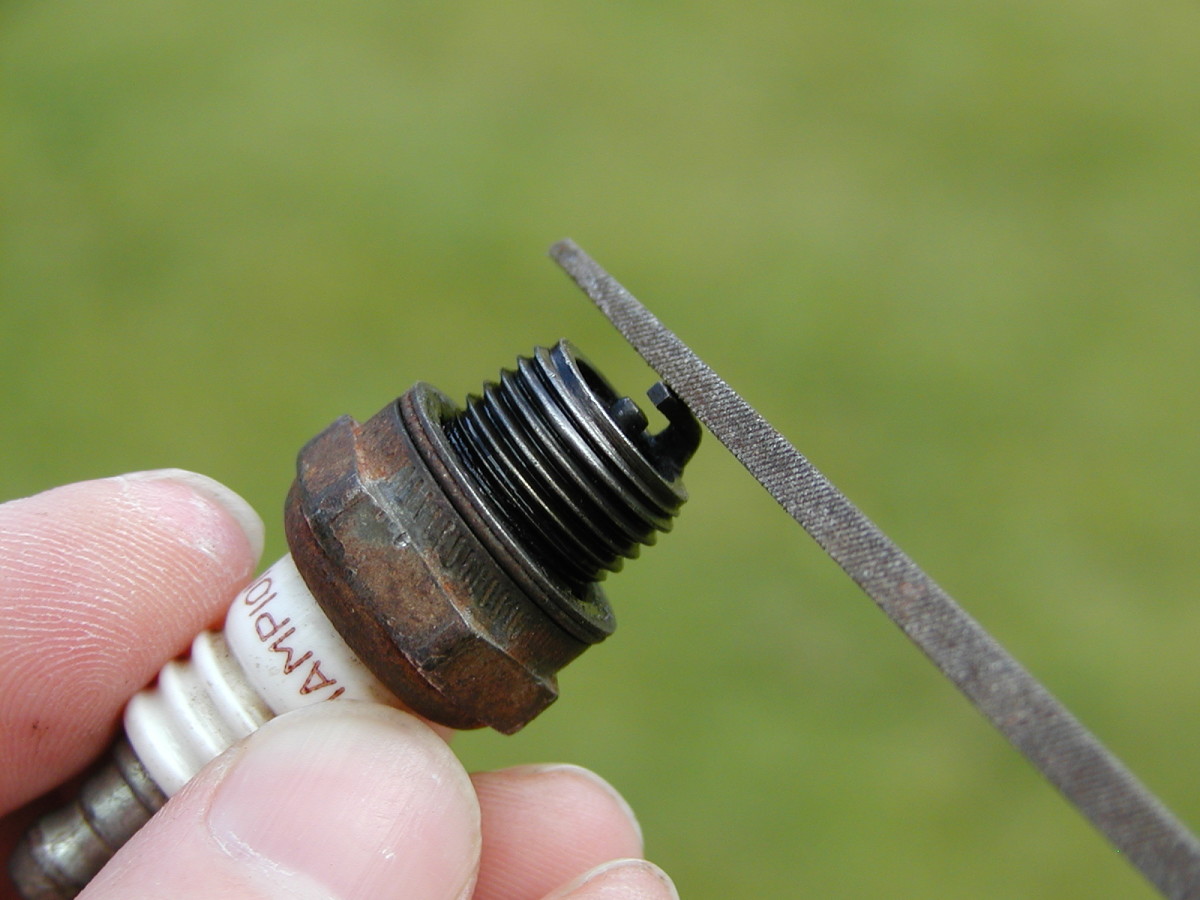
- ✦ Fouled spark plug
Carbon, oil, or fuel deposits can interfere with normal ignition.
- ✦ Old spark plug
Electrodes wear with use. Follow the engine maker’s maintenance schedule for replacement.
- ✦ Loose connection
A poor connection at the plug boot or ignition components can interrupt spark.
- ✦ Stop circuit fault
A damaged or incorrectly adjusted stop circuit can keep the ignition grounded.
- ✦ Ignition coil fault
A coil that has failed or is not correctly positioned may not create the required ignition output.
- ✦ Fuel or compression problem
If a strong spark is present, investigate fuel delivery, air flow, and compression instead of replacing ignition parts.
How to Tell If You Should Clean or Replace the Spark Plug
A spark plug does not always need replacement just because it looks dirty. Light deposits may come off during careful cleaning, while severe damage or wear calls for a new plug. Follow the engine maker’s instructions for cleaning and replacement.
For many mower owners, replacing a badly fouled or worn plug is a simple way to remove one possible fault. Use the exact plug type specified for the engine rather than choosing one based only on size.

- ✦ Consider replacement for damage
Replace a plug with a cracked insulator, damaged threads, badly worn electrodes, or other clear physical damage.
- ✦ Check before cleaning
If deposits are heavy, find out why the plug became fouled instead of treating the deposit as the only problem.
- ✦ Use the correct replacement
Match the plug type, heat range, reach, and other specifications required by the engine maker.
- ✦ Install it correctly
Use the maker’s specified tightening method and torque when a torque value is provided.
Do Not Guess the Spark Plug Type
Two plugs can look similar but have different specifications. The wrong plug can have the wrong reach, heat range, or gap. Check the engine model and service information before buying a replacement.
Safety Tips for Testing a Lawn Mower Spark Plug
Spark testing involves an ignition system that can produce high voltage. The test itself is simple, but careless handling can cause injury or ignite fuel vapors. Treat the mower like any other gasoline-powered machine and work with care.
Always follow the safety instructions in the mower and engine manuals. If the procedure differs from the general steps here, use the manufacturer’s procedure.
- ✦ Let the engine cool
Hot metal parts can cause burns and may make inspection harder.
- ✦ Disconnect power as instructed
Use the mower’s specified shutdown and starting-prevention procedure before handling the plug.
- ✦ Avoid fuel vapors
Do not create a spark near spilled gasoline, open fuel containers, or strong fuel fumes.
- ✦ Use insulated parts correctly
Hold only the insulated portion of the plug boot or approved tester when the ignition system is being tested.
- ✦ Keep clear of moving parts
Never place hands or tools near the blade, flywheel, belts, or other moving parts while cranking.
- ✦ Use the right manual
Mower designs differ, so the owner’s manual should guide model-specific safety and service steps.
A Simple Lawn Mower Spark Troubleshooting Checklist
A short checklist can make mower troubleshooting much easier. Start with the simplest checks and move toward the ignition system only as needed. This helps avoid replacing good parts.
If you are working through how to test lawn mower spark plug problems, record what you find at each step. A clear result makes the next repair choice much easier.

- ✦ 1. Is the plug connected?
Make sure the plug boot is fully seated and the wire is not visibly damaged.
- ✦ 2. Does the plug look damaged?
Check for cracks, damaged threads, severe fouling, and excessive electrode wear.
- ✦ 3. Is the plug correct?
Confirm that the plug matches the engine’s required specification.
- ✦ 4. Is the gap correct?
Compare the gap with the engine maker’s specification.
- ✦ 5. Does the spark tester show spark?
Use a proper tester to check for a repeatable ignition spark.
- ✦ 6. Does a known-good plug change the result?
If a correct replacement also has no spark, investigate the ignition circuit.
- ✦ 7. Is spark present but the engine still will not start?
Move on to fuel delivery, air flow, compression, and other starting-system checks.
What to Do After a Good Spark Test
A good spark test does not prove that the whole engine is healthy. It only tells you that the ignition system is producing spark at the point you tested. If the mower still will not start, check whether the engine is getting clean fuel and enough air and whether it has adequate compression.
This step-by-step approach prevents a common mistake: replacing the spark plug again and again when the real fault is somewhere else.