
Knowing how to check if a spark plug is bad can save you time, money, and frustration. Spark plugs are small parts, but they play a huge role in starting your engine and keeping it running smoothly. When a spark plug begins to fail, your vehicle will often give warning signs before a complete breakdown occurs.
Over the years, I have inspected hundreds of spark plugs in daily drivers, trucks, and performance vehicles. In many cases, a simple spark plug inspection revealed the cause of rough idling, poor acceleration, and hard starting issues. Learning how to check if a spark plug is bad is one of the most useful DIY car maintenance skills any vehicle owner can develop.

What Does a Spark Plug Do?
A spark plug creates the electrical spark needed to ignite the air-fuel mixture inside the engine cylinder. This controlled explosion produces the power that moves your vehicle down the road.
When a spark plug wears out, the spark becomes weak or inconsistent. This can reduce engine performance, increase fuel consumption, and cause drivability problems.

- ✦ Ignition Source
Creates the spark that starts combustion.
- ✦ Engine Efficiency
Helps maintain proper fuel burning and power output.
- ✦ Smooth Operation
Supports stable idling and consistent acceleration.
Common Symptoms of a Bad Spark Plug
Before physically removing a spark plug, pay attention to how the vehicle behaves. Many symptoms point directly to ignition problems.
Recognizing these warning signs can help you determine whether you need to inspect the spark plugs more closely.
- ✦ Engine Misfires
The engine may stumble, jerk, or hesitate during operation.
- ✦ Hard Starting
The engine takes longer than normal to start.
- ✦ Poor Fuel Economy
A weak spark can cause incomplete combustion and increased fuel usage.
- ✦ Rough Idle
The vehicle shakes or vibrates while stopped.
- ✦ Loss of Power
Acceleration feels sluggish or inconsistent.
How to Check If a Spark Plug Is Bad With a Visual Inspection
One of the easiest ways to learn how to check if a spark plug is bad is through a visual inspection. Remove the spark plug and examine its condition under good lighting.
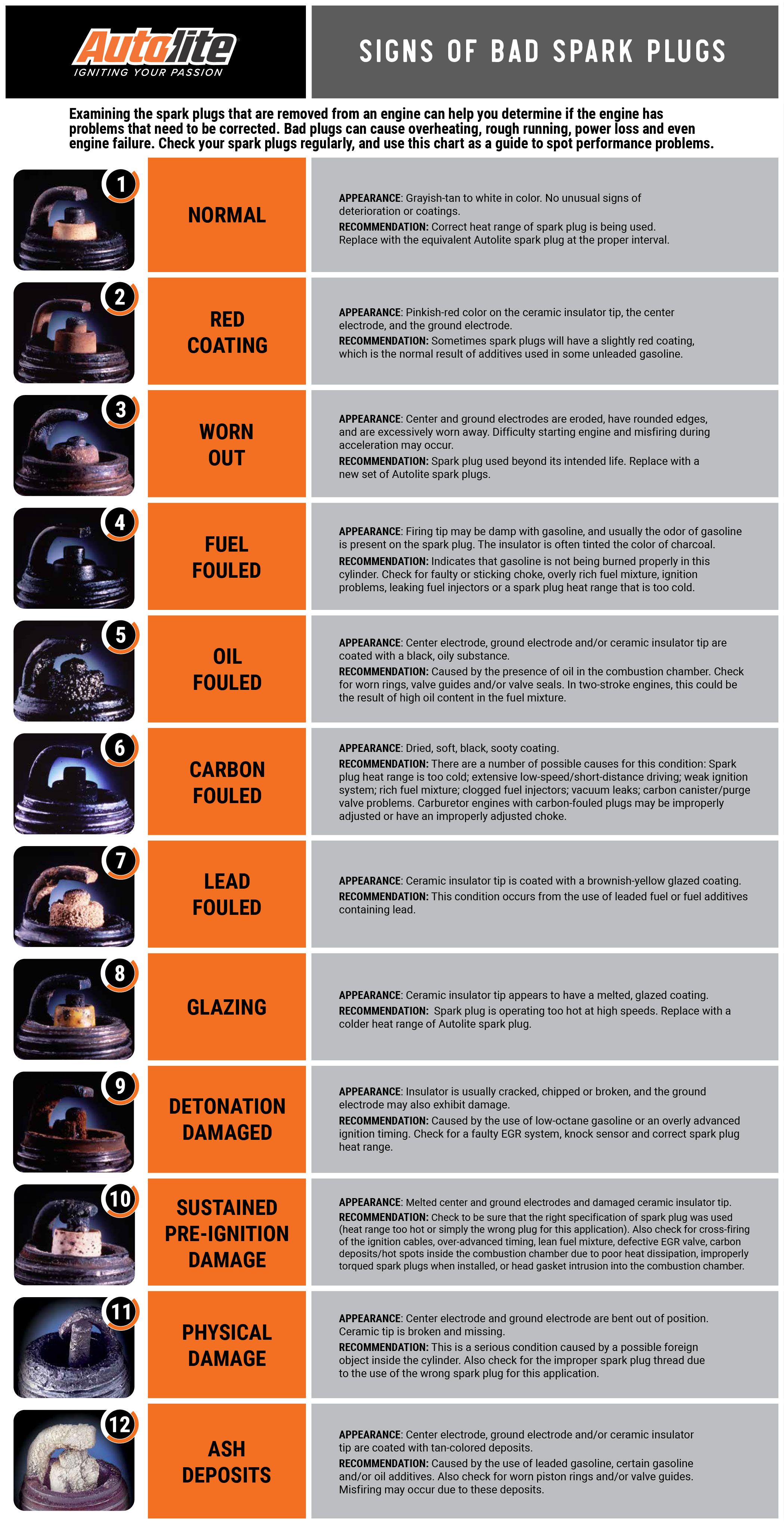
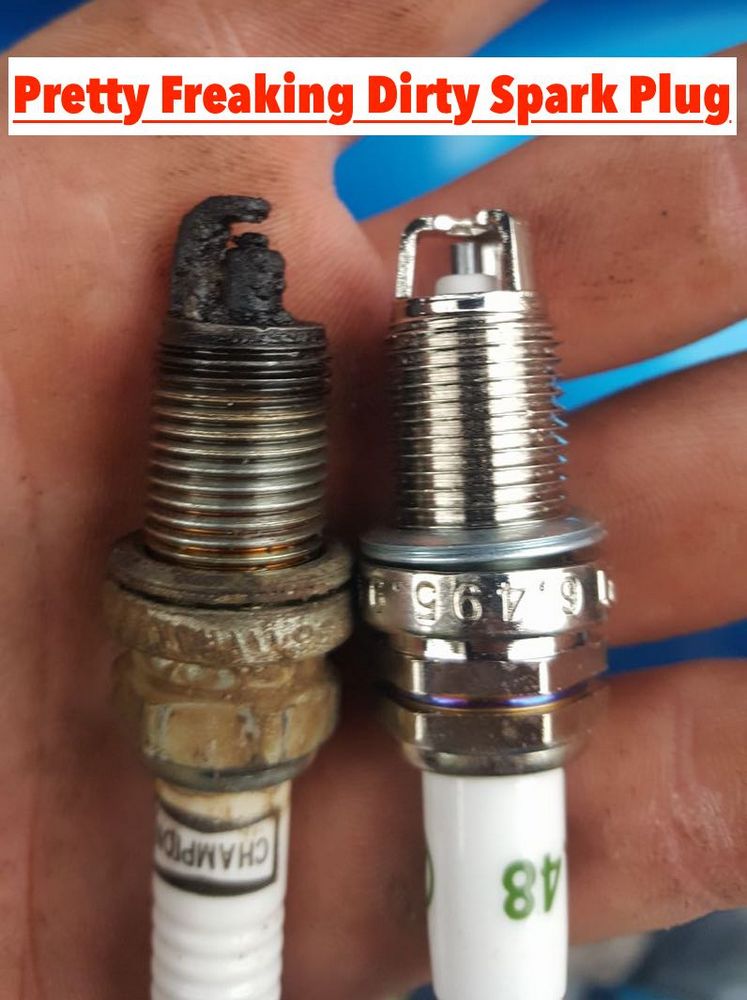
A healthy spark plug typically has a light tan or gray appearance. Excessive deposits, oil contamination, cracks, or worn electrodes often indicate a problem.

- ✦ Check the Electrode
Look for rounding, excessive wear, or melting.
- ✦ Inspect the Porcelain
Search for cracks, chips, or carbon tracking.
- ✦ Look for Deposits
Heavy carbon, ash, or oil buildup can affect performance.
What Different Spark Plug Colors Mean
Light brown or gray coloring is usually normal. Black soot often suggests a rich fuel mixture or weak ignition. Oily deposits may indicate engine wear or leaking valve seals. White blistering can point to overheating conditions.
- ✦ Light Tan
Normal operation.
- ✦ Black Carbon
Rich mixture or weak spark.
- ✦ Oil Fouling
Possible internal engine issue.
How to Test a Spark Plug for Spark
If you want to know how to check if a spark plug is bad beyond visual inspection, test its ability to produce a spark. A dedicated spark tester provides the safest and most accurate results.
Connect the tester according to the manufacturer’s instructions and crank the engine. A bright, consistent spark generally indicates the plug is functioning properly.
- ✦ Strong Blue Spark
Usually indicates a healthy ignition event.
- ✦ Weak Yellow Spark
May suggest plug wear or ignition issues.
- ✦ No Spark
The spark plug or ignition system may have failed.
Safety Tips During Spark Testing
Always use insulated tools and keep hands away from ignition components during testing. Ignition systems can generate very high voltages.
- ✦ Wear Gloves
Provides additional protection.
- ✦ Use Proper Tools
Avoid improvised testing methods.
How to Check Spark Plug Resistance With a Multimeter
Many modern spark plugs contain an internal resistor. A digital multimeter can help verify whether the resistor remains within an acceptable range.
Set the meter to resistance mode and measure between the terminal and center electrode. Compare the reading to the manufacturer’s specifications. An open circuit or extremely high reading can indicate a failed plug.

- ✦ Use a Digital Multimeter
Provides accurate resistance measurements.
- ✦ Compare Specifications
Check service information for acceptable values.
- ✦ Watch for Open Circuits
A broken resistor can prevent proper operation.
When Should You Replace Spark Plugs?
Even if a spark plug has not completely failed, replacement may still be necessary. Spark plugs wear gradually over time, reducing efficiency and performance.
Many modern iridium and platinum spark plugs can last 60,000 to 100,000 miles, while traditional copper plugs often require replacement much sooner.

- ✦ Follow Maintenance Schedules
Check your owner’s manual for intervals.
- ✦ Replace Damaged Plugs
Cracked or fouled plugs should be changed immediately.
- ✦ Replace as a Set
Ensures balanced engine performance.
Signs Replacement Is Necessary
If you experience repeated misfires, poor fuel economy, hard starts, or visible spark plug damage, replacement is usually the most cost-effective solution.
- ✦ Repeated Misfires
Suggests ignition performance problems.
- ✦ Heavy Deposits
Can interfere with spark quality.
Mistakes to Avoid When Checking Spark Plugs
Many DIY mechanics make simple mistakes when learning how to check if a spark plug is bad. Avoiding these errors can improve diagnosis accuracy.
Always inspect all spark plugs, not just one. A single cylinder may tell only part of the story.

- ✦ Ignoring Gap Measurements
Incorrect gaps can affect ignition performance.
- ✦ Replacing Only One Plug
May lead to uneven engine operation.
- ✦ Overtightening
Can damage cylinder head threads.
- ✦ Misdiagnosing Oil Fouling
The plug may not be the root cause.