
Knowing how to check spark plug coil components can save time, money, and frustration. A faulty ignition coil can cause rough engine performance, reduced fuel economy, and hard starting. In many cases, you can diagnose the issue at home with a few simple tools.
Over the years, I have seen many drivers replace spark plugs when the real problem was a failing coil. Learning how to check spark plug coil performance correctly helps you identify the true cause of misfires and restore smooth engine operation.

What Is a Spark Plug Coil and Why Is It Important?
A spark plug coil, often called an ignition coil or coil-on-plug unit, converts low battery voltage into the high voltage needed to create a spark. That spark ignites the air-fuel mixture inside the engine cylinder.
Modern vehicles commonly use individual coils for each spark plug. This design improves efficiency and makes troubleshooting easier. Understanding how the coil works is the first step in learning how to check spark plug coil health accurately.

- ✦ Voltage Conversion
Transforms 12-volt battery power into thousands of volts needed for ignition.
- ✦ Engine Performance
Provides reliable spark for smooth operation and fuel efficiency.
- ✦ Emission Control
Helps ensure complete combustion and lower emissions.
How Ignition Coils Fail
Heat, vibration, age, and moisture can damage ignition coils. Internal insulation may break down over time, causing weak or inconsistent spark delivery.
- ✦ Heat Stress
Constant engine heat gradually weakens internal components.
Common Signs of a Bad Spark Plug Coil
Before you learn how to check spark plug coil condition with tools, it helps to recognize common symptoms. A bad coil often causes noticeable changes in vehicle performance.
Many drivers first notice rough idling or engine hesitation. These symptoms happen because the affected cylinder is not receiving a strong spark.

- ✦ Engine Misfire
The engine may stumble, shake, or run unevenly.
- ✦ Check Engine Light
Fault codes related to misfires are common when coils fail.
- ✦ Poor Fuel Economy
Incomplete combustion wastes fuel.
- ✦ Hard Starting
Weak spark can make starting difficult.
Symptoms That Mimic Coil Failure
Bad spark plugs, fuel delivery problems, and vacuum leaks can create similar symptoms. That is why proper testing is important before replacing parts.
- ✦ Confirm the Cause
Always inspect related ignition and fuel system components.
Tools Needed to Check a Spark Plug Coil
The good news is that learning how to check spark plug coil performance does not require expensive equipment. Most DIY mechanics already own many of the necessary tools.
Having the correct tools helps produce accurate results and reduces the risk of damaging components.
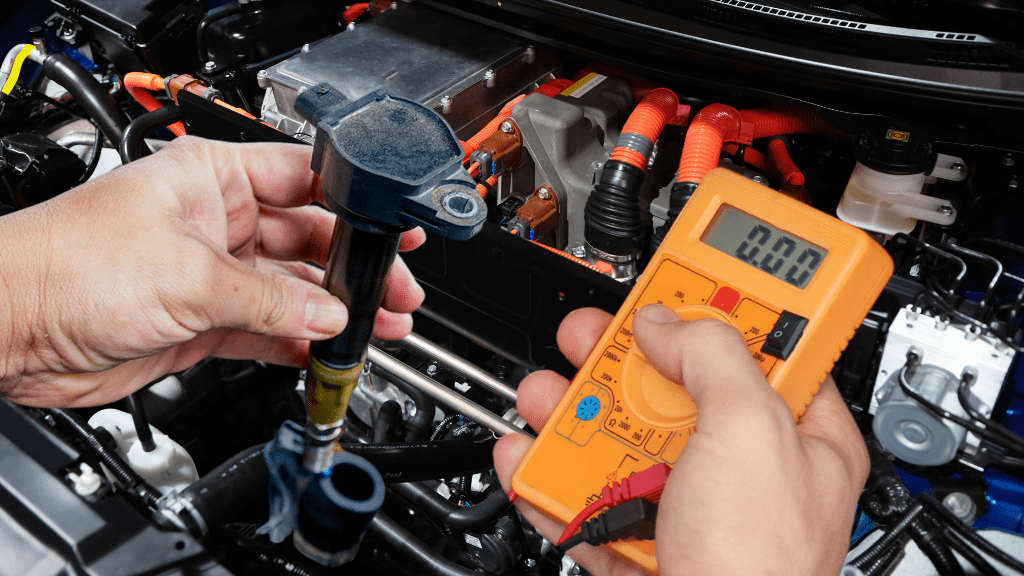
- ✦ Digital Multimeter
Measures coil resistance and electrical continuity.
- ✦ OBD-II Scanner
Reads diagnostic trouble codes from the vehicle.
- ✦ Basic Hand Tools
Needed for removing engine covers and coils.
- ✦ Safety Gloves
Protects hands while working around engine parts.
Safety First
Ignition systems generate very high voltage. Always turn off the engine and disconnect the battery when performing resistance tests.
- ✦ Avoid Electric Shock
Never touch exposed ignition components while the engine is running.
How to Check Spark Plug Coil Step by Step
If you want to know how to check spark plug coil condition correctly, follow a structured process. Start with simple inspections before moving to electrical testing.
This method helps identify obvious problems quickly and avoids unnecessary part replacement.

- ✦ Step 1
Turn off the engine and allow it to cool.
- ✦ Step 2
Locate the ignition coil attached to the spark plug.
- ✦ Step 3
Inspect for cracks, corrosion, oil contamination, or burn marks.
- ✦ Step 4
Check connectors for loose or damaged wiring.
Perform a Coil Swap Test
A common diagnostic method is swapping the suspected coil with a known good coil. If the misfire moves to another cylinder, the coil is likely faulty.
- ✦ Quick Diagnosis
Useful when a specific cylinder misfire code is present.
How to Test a Spark Plug Coil With a Multimeter
One of the most reliable ways to learn how to check spark plug coil operation is by measuring resistance with a digital multimeter. Compare your readings to the manufacturer’s specifications.
Resistance values outside the recommended range may indicate internal coil damage. Always consult a repair manual for exact specifications because values vary by vehicle.
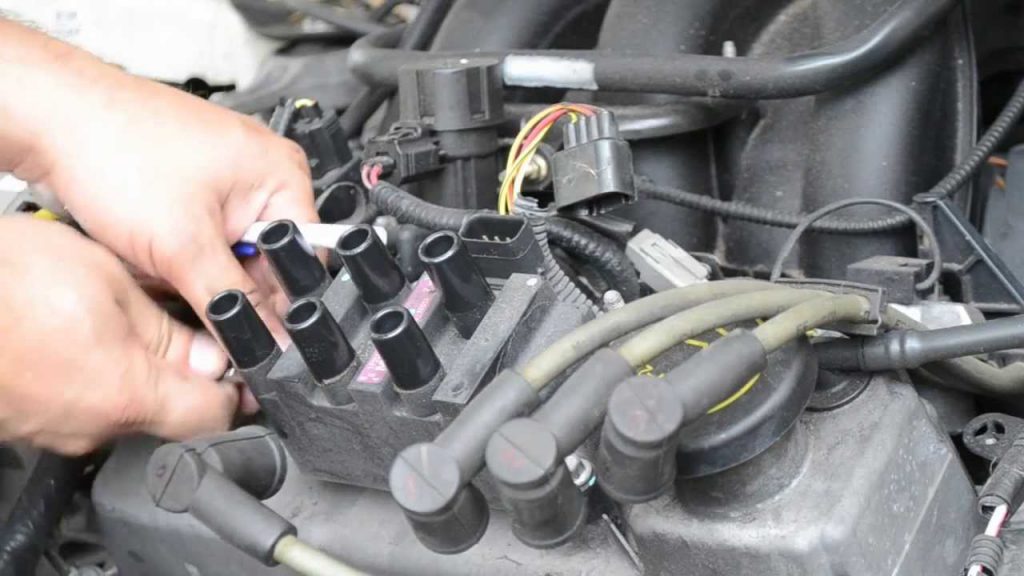
- ✦ Primary Resistance
Measure across the primary terminals according to service instructions.
- ✦ Secondary Resistance
Measure the high-voltage circuit if applicable.
- ✦ Compare Results
Use factory specifications for accurate diagnosis.
Interpreting Multimeter Results
An open circuit, extremely high resistance, or zero resistance may indicate a failed coil. Borderline readings should be verified with additional testing.
- ✦ Retest if Needed
Repeat measurements to eliminate testing errors.
Mistakes to Avoid When Checking a Spark Plug Coil
Many DIY mechanics make small mistakes that lead to incorrect diagnoses. Knowing what to avoid is just as important as learning how to check spark plug coil performance.
Replacing parts without testing can waste money. Misinterpreting symptoms may also cause the real problem to go unnoticed.

- ✦ Ignoring Spark Plugs
Worn plugs can mimic coil problems.
- ✦ Skipping Visual Inspection
Physical damage often provides immediate clues.
- ✦ Using Wrong Specifications
Resistance values vary between vehicles.
When to Replace the Coil
If testing confirms failure, replacement is usually the best option. Modern ignition coils are sealed units and generally cannot be repaired.
- ✦ Replace Promptly
Driving with a bad coil can damage the catalytic converter.
When to Seek Professional Help
Learning how to check spark plug coil systems is valuable, but some problems require advanced diagnostic tools. Complex electrical issues may involve wiring harnesses, engine computers, or multiple ignition components.
A professional technician can perform advanced waveform analysis and pinpoint faults quickly. This can save time when basic testing does not reveal the cause.

- ✦ Persistent Misfires
Professional diagnosis may be needed if problems continue.
- ✦ Electrical Issues
Complex wiring faults require specialized equipment.
- ✦ Multiple Trouble Codes
Several fault codes may indicate a larger issue.
Benefits of Early Diagnosis
Identifying coil problems early can prevent expensive repairs. It also helps maintain engine performance and fuel economy.
- ✦ Protect Engine Components
Reduces stress on ignition and emissions systems.