
If you want to learn how to check spark plug leads, the good news is that the process is simple and can often be done at home with basic tools. Spark plug leads play a key role in delivering electrical current from the ignition system to the spark plugs. When they fail, engine performance often suffers immediately.
Over the years, I have diagnosed many rough-running engines where worn spark plug leads were the real problem. A quick inspection and resistance test frequently revealed hidden faults that caused misfires, poor fuel economy, and difficult starts. Knowing how to check spark plug leads can save time, money, and unnecessary parts replacement.

What Are Spark Plug Leads and Why Do They Matter?
Spark plug leads, often called spark plug wires, carry high-voltage electricity from the ignition coil or distributor to each spark plug. This electrical charge creates the spark needed to ignite the air-fuel mixture inside the engine cylinders.
When spark plug leads become damaged, electricity can leak before reaching the spark plugs. This can lead to poor combustion, rough idling, reduced power, increased fuel consumption, and engine misfires.
Understanding how to check spark plug leads helps you identify these issues early before they develop into more expensive repairs.

- ✦ Power Delivery
Leads transfer ignition voltage to the spark plugs.
- ✦ Engine Efficiency
Healthy leads help maintain smooth combustion and fuel efficiency.
- ✦ Reliability
Good leads reduce the risk of starting problems and misfires.
Common Signs of Faulty Spark Plug Leads
Before learning how to check spark plug leads in detail, it helps to recognize the symptoms of failing wires. Many ignition problems produce warning signs that become more noticeable over time.
Modern vehicles may trigger a check engine light, while older vehicles may simply run rough or lose power during acceleration.

- ✦ Engine Misfires
One or more cylinders fail to fire correctly.
- ✦ Hard Starting
The engine takes longer than normal to start.
- ✦ Poor Fuel Economy
Incomplete combustion wastes fuel.
- ✦ Rough Idle
The engine shakes or runs unevenly at idle.
When Symptoms Become Severe
Severely damaged spark plug leads can cause noticeable power loss, hesitation during acceleration, and even stalling. Ignoring these signs can place additional stress on ignition components.
- ✦ Check Promptly
Testing leads early can prevent larger ignition system failures.
Tools Needed to Check Spark Plug Leads
One reason many DIY mechanics learn how to check spark plug leads is that the required tools are inexpensive and easy to find.
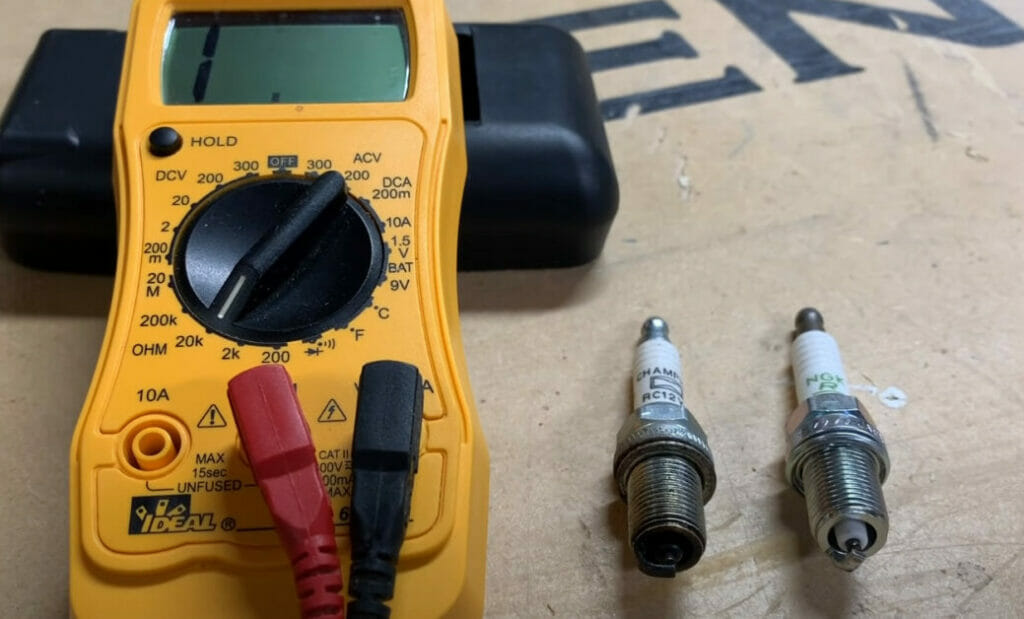
Most inspections can be completed with basic hand tools and a digital multimeter.
- ✦ Digital Multimeter
Measures resistance through the wire.
- ✦ Flashlight
Helps spot cracks and insulation damage.
- ✦ Safety Gloves
Protect hands while working around ignition components.
- ✦ Vehicle Service Manual
Provides manufacturer resistance specifications.
How to Check Spark Plug Leads with a Visual Inspection
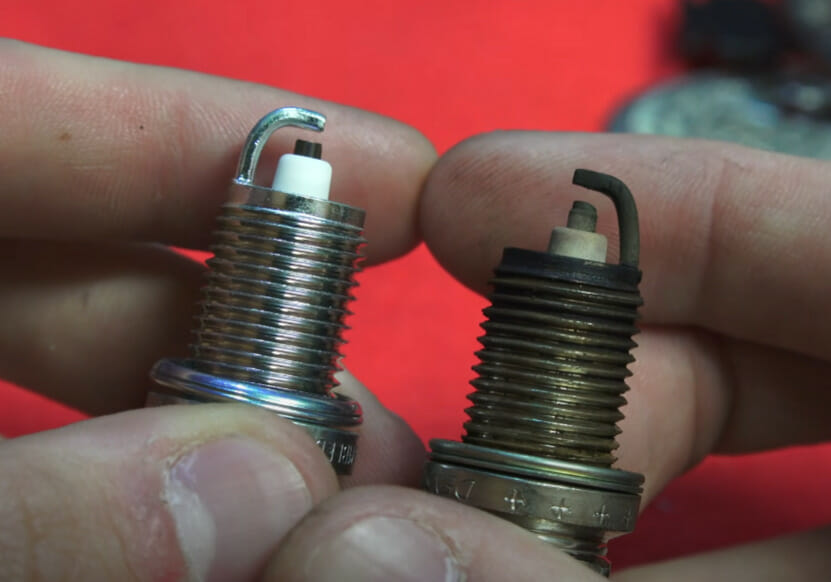
The first step in how to check spark plug leads is performing a careful visual inspection. Many problems can be identified without any special equipment.
Start with the engine turned off and cooled down. Examine the entire length of each lead from end to end. Look closely at the insulation and connector boots.
- ✦ Cracks
Small cracks allow voltage to escape.
- ✦ Burn Marks
Heat damage can weaken insulation.
- ✦ Corrosion
Metal terminals may develop oxidation.
- ✦ Loose Connections
Poor contact reduces ignition performance.
Inspect Lead Routing
Make sure wires are routed correctly and not touching hot engine components. Excessive heat can shorten the life of spark plug leads.
- ✦ Avoid Exhaust Heat
Keep leads away from manifolds and hot surfaces.
How to Check Spark Plug Leads Using a Multimeter
A resistance test is one of the most accurate methods for how to check spark plug leads. This procedure measures electrical resistance inside each wire.
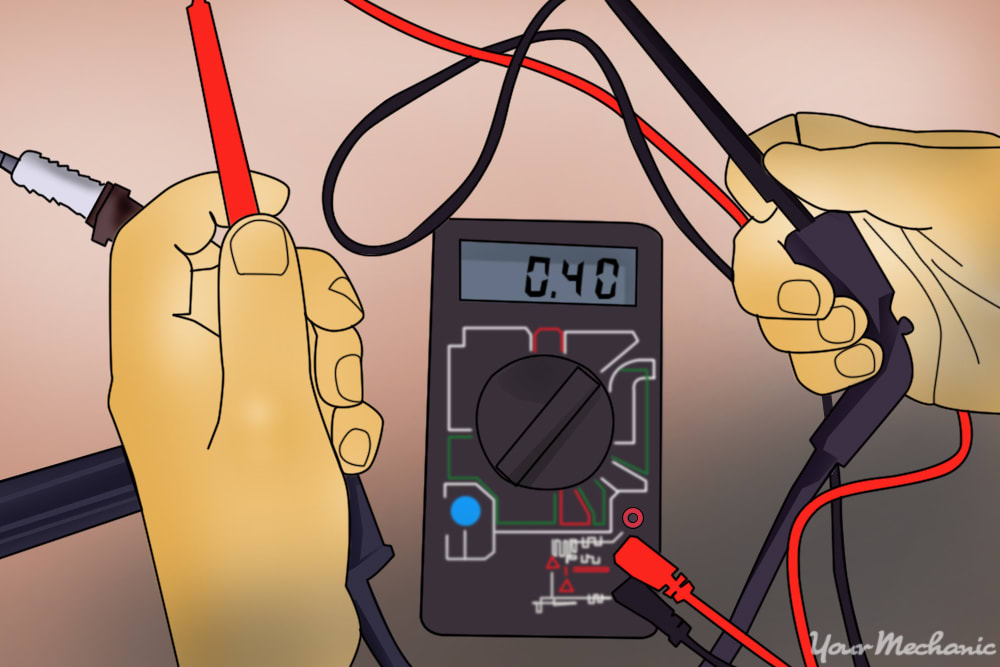
Remove one lead at a time to avoid mixing up firing order locations. Set your multimeter to the resistance setting and place one probe on each end of the wire.
- ✦ Remove One Lead
Prevent incorrect reinstallation.
- ✦ Measure Resistance
Compare readings with manufacturer specifications.
- ✦ Check Consistency
All leads should show reasonable resistance values.
Understanding Resistance Readings
Many spark plug leads show resistance measured in thousands of ohms. Exact values vary by manufacturer and wire length. A reading that is extremely high, unstable, or infinite often indicates an internal break.
- ✦ Infinite Resistance
Usually indicates an open circuit inside the lead.
Testing for Electrical Leakage
Another useful technique for how to check spark plug leads involves looking for voltage leakage. Electrical leaks often appear when insulation begins to break down.
This test is easiest in a dark garage. Start the engine and carefully observe the spark plug leads. Tiny blue sparks or glowing areas may indicate electricity escaping from damaged insulation.

- ✦ Dark Environment
Makes leakage easier to see.
- ✦ Visible Arcing
Indicates insulation failure.
- ✦ Replace Damaged Leads
Leaking wires should not remain in service.
Safety Reminder
Never touch spark plug leads while the engine is running. Ignition systems generate high voltage and can deliver a painful shock.
- ✦ Use Caution
Maintain a safe distance from moving and energized components.
When Should Spark Plug Leads Be Replaced?
Even if you know how to check spark plug leads, replacement becomes necessary once damage appears. Ignition wires are wear items and do not last forever.
Many manufacturers recommend inspection during routine tune-ups. Age, heat, oil contamination, and vibration gradually degrade insulation and internal conductors.

- ✦ Visible Damage
Replace cracked or burned wires immediately.
- ✦ Repeated Misfires
Persistent ignition issues often point to worn leads.
- ✦ Failed Resistance Test
Out-of-spec readings indicate replacement is needed.
Replace as a Set
In many cases, replacing the full set provides more reliable performance than replacing a single lead. Matching wire age and quality helps maintain consistent ignition performance.
- ✦ Better Reliability
A complete set reduces the chance of future failures.