
Knowing how to check spark plug wires is a valuable skill for any vehicle owner. Spark plug wires carry high-voltage electricity from the ignition system to the spark plugs. When these wires fail, engine performance can suffer quickly.
Over the years, I have seen many drivers replace expensive parts when a simple spark plug wire was the real problem. A careful inspection often takes less than 30 minutes and can save money, reduce frustration, and help keep your vehicle running smoothly.
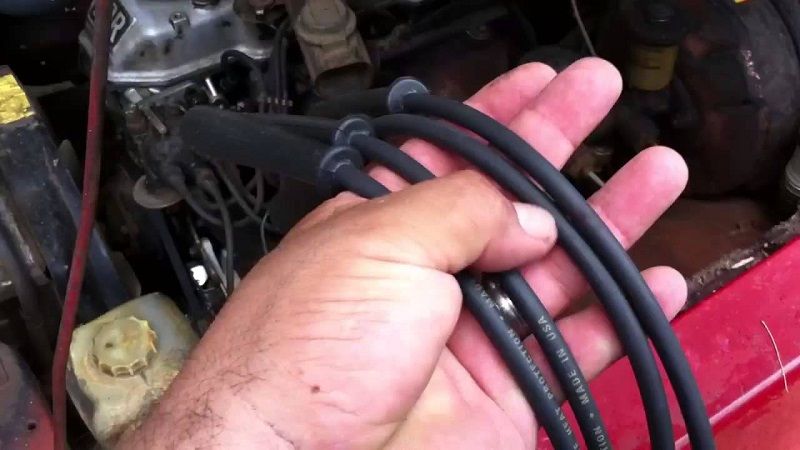
What Are Spark Plug Wires and Why Do They Matter?
Spark plug wires connect the ignition coil or distributor to the spark plugs. Their job is to deliver electrical current strong enough to ignite the air-fuel mixture inside the engine cylinders.
When spark plug wires become damaged, cracked, or worn out, electricity may leak before reaching the spark plug. This can cause rough idling, poor acceleration, reduced fuel economy, and engine misfires.
Understanding how to check spark plug wires helps identify problems early. A small issue today can become a larger ignition system problem later.

- ✦ Primary Function
Carry high-voltage current from the ignition system to each spark plug.
- ✦ Performance Impact
Healthy wires help maintain smooth combustion and reliable engine operation.
Vehicles Most Likely to Use Spark Plug Wires
Many older gasoline engines use traditional spark plug wires. Some newer vehicles use coil-on-plug systems and may not have conventional spark plug wires.
- ✦ Older Vehicles
Often use distributors and individual spark plug wires.
- ✦ Modern Vehicles
Many use ignition coils mounted directly on spark plugs.
Common Signs of Bad Spark Plug Wires
Before learning how to check spark plug wires in detail, it helps to recognize the warning signs. Many ignition-related symptoms point directly to wire problems.
Faulty wires often cause inconsistent spark delivery. The result can be noticeable engine performance issues during daily driving.

- ✦ Engine Misfire
The engine may stumble, shake, or hesitate during acceleration.
- ✦ Hard Starting
Damaged wires can reduce spark energy and make starting difficult.
- ✦ Poor Fuel Economy
Incomplete combustion can increase fuel consumption.
- ✦ Rough Idle
The engine may vibrate excessively while stopped.
Check Engine Light
A failing spark plug wire can trigger diagnostic trouble codes related to misfires. While the check engine light does not always mean a wire problem, it is worth investigating.
- ✦ Misfire Codes
Codes such as P0300 through P0308 may appear depending on the affected cylinder.
Tools Needed to Check Spark Plug Wires
Learning how to check spark plug wires is easier when you have the right tools. Most inspections require only basic equipment available at auto parts stores.
A digital multimeter is especially useful because it measures electrical resistance inside the wire.
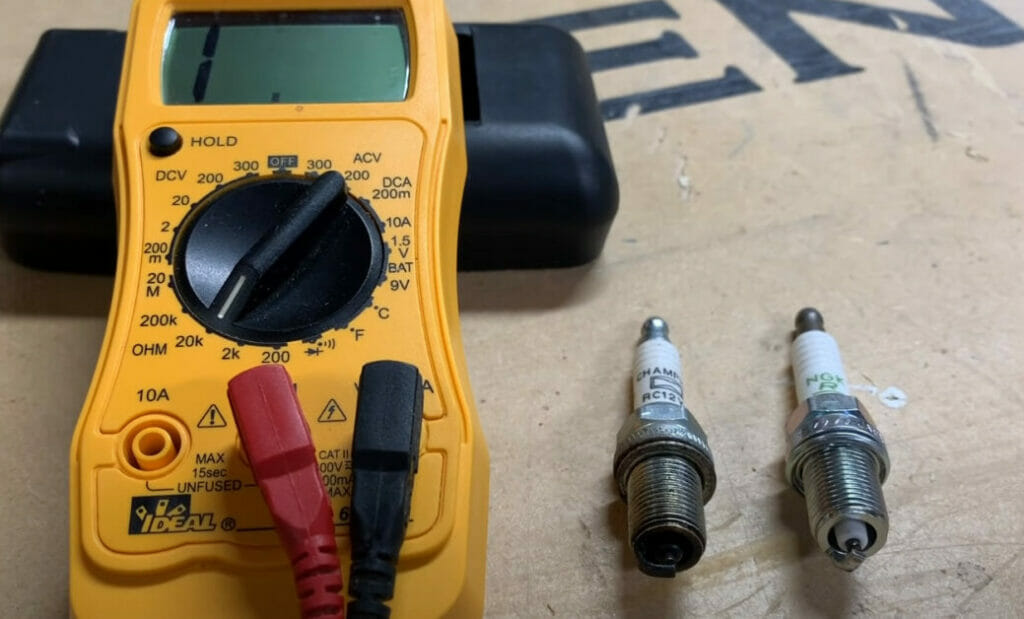
- ✦ Digital Multimeter
Measures resistance and helps identify internal wire damage.
- ✦ Flashlight
Makes it easier to spot cracks and burn marks.
- ✦ Protective Gloves
Provide safety while working around engine components.
- ✦ Vehicle Service Manual
Provides resistance specifications for your vehicle.
Safety First
Always turn off the engine and allow hot components to cool before touching spark plug wires. High-voltage ignition systems can produce painful shocks.
- ✦ Cool Engine
Wait before handling wires near exhaust components.
How to Check Spark Plug Wires with a Visual Inspection
The first step in how to check spark plug wires is a careful visual inspection. Many problems can be identified without any testing equipment.
Look closely at the entire length of each wire. Inspect both ends where the wire connects to the spark plug and ignition component.

- ✦ Cracks
Small cracks can allow voltage to escape.
- ✦ Burn Marks
Heat damage often appears as discoloration or melted insulation.
- ✦ Corrosion
Check terminals for rust, green buildup, or oxidation.
- ✦ Loose Connections
Connections should fit securely at both ends.
Inspect Wire Routing
Spark plug wires should be routed correctly and separated from hot exhaust parts. Incorrect routing can cause premature failure.
- ✦ Secure Clips
Verify that wire retainers and clips remain in place.
How to Check Spark Plug Wires with a Multimeter
A resistance test is one of the most accurate ways to learn how to check spark plug wires. Internal damage may not be visible from the outside.
Remove one wire at a time to avoid mixing up the firing order. Set the multimeter to the resistance setting and place a probe on each end of the wire.

- ✦ Remove One Wire
Test each wire individually to maintain correct installation order.
- ✦ Measure Resistance
Read the resistance value displayed on the multimeter.
- ✦ Compare Specifications
Check readings against manufacturer recommendations.
Understanding Resistance Readings
Resistance varies by wire length and manufacturer. Extremely high resistance or an open circuit usually indicates a bad wire that should be replaced.
- ✦ Open Circuit
No reading often means the wire is internally broken.
- ✦ High Resistance
Excessive resistance can weaken spark delivery.
Nighttime Spark Leakage Test
Another practical way to learn how to check spark plug wires is by looking for spark leakage in low-light conditions. This method can reveal insulation failures.
Start the engine in a dark garage or outside after sunset. Watch the wires carefully for visible arcing or blue sparks.

- ✦ Visible Arcing
Electricity escaping from the wire indicates insulation failure.
- ✦ Ticking Sounds
A clicking noise can accompany electrical leakage.
Important Safety Reminder
Keep hands away from running ignition components during this test. High voltage can cause injury.
- ✦ Use Caution
Observe only and avoid touching energized wires.
When to Replace Spark Plug Wires
Even if you know how to check spark plug wires, replacement is sometimes the best solution. Ignition wires wear out over time due to heat, vibration, and age.
Many technicians replace spark plug wires when installing new spark plugs. This approach helps maintain consistent ignition performance.

- ✦ Visible Damage
Replace wires with cracks, burns, or broken insulation.
- ✦ Failed Resistance Test
Excessive resistance indicates reduced performance.
- ✦ Age and Mileage
Older wires often become less reliable over time.
Replacement Tips
Replace one wire at a time to maintain the correct firing order. Labeling wires before removal can prevent installation mistakes.
- ✦ Match Lengths
Use replacement wires designed for your vehicle.