
Knowing how to check spark plug cables is an important skill for any vehicle owner. Spark plug cables carry high-voltage electricity from the ignition system to the spark plugs. When they fail, your engine may run rough, lose power, or become difficult to start.
Over the years, I have diagnosed many engine misfires caused by worn spark plug wires rather than faulty spark plugs. In many cases, a quick inspection and a simple resistance test revealed the problem. Learning how to check spark plug cables can save time, money, and frustration.
What Are Spark Plug Cables and Why Do They Matter?
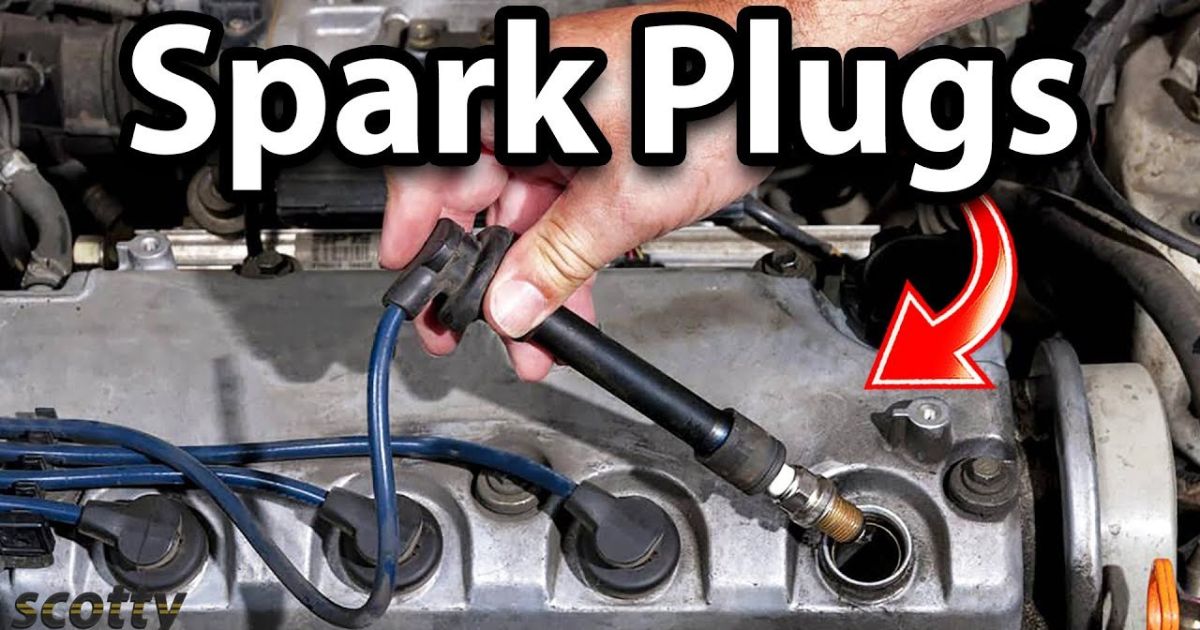
Spark plug cables, often called spark plug wires, transfer high-voltage current from the ignition coil or distributor to the spark plugs. This electrical energy creates the spark needed for combustion inside the engine cylinders.
If a cable becomes damaged, cracked, or worn, electricity may leak before reaching the spark plug. This can cause engine hesitation, rough idle, reduced fuel economy, and poor acceleration. Understanding how to check spark plug cables helps prevent these issues.

- ✦ Primary Function
Deliver high-voltage electricity to each spark plug.
- ✦ Engine Performance
Healthy cables support smooth operation and efficient combustion.
- ✦ Reliability
Good cables reduce misfires and starting problems.
How Long Do Spark Plug Cables Last?
Most spark plug cables can last between 60,000 and 100,000 miles, depending on vehicle design, driving conditions, and cable quality. Heat, oil contamination, and vibration can shorten their lifespan.
- ✦ Heat Exposure
Engine heat gradually weakens cable insulation.
Common Signs of Bad Spark Plug Cables
Before learning how to check spark plug cables with tools, it helps to recognize the warning signs. Faulty cables often create symptoms that appear gradually over time.
A damaged cable may allow voltage to escape. This reduces spark strength and affects combustion efficiency. The engine control system may also detect misfires and trigger a check engine light.
- ✦ Engine Misfire
The engine may stumble, shake, or run unevenly.
- ✦ Hard Starting
Weak spark delivery can make cold starts difficult.
- ✦ Poor Fuel Economy
Incomplete combustion wastes fuel.
- ✦ Loss of Power
Acceleration may feel sluggish or inconsistent.
Visible Symptoms Under the Hood
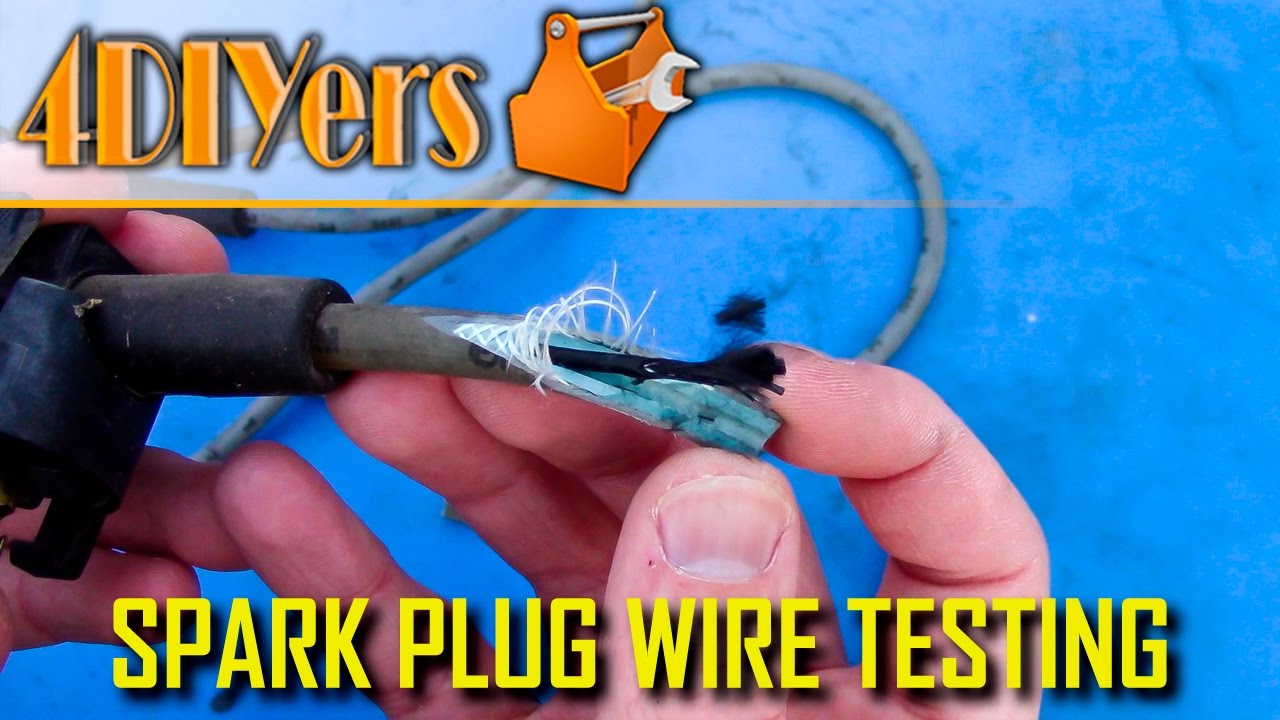
In severe cases, you may notice cracked insulation, burn marks, melted sections, or oil contamination on the wires. These are clear signs that replacement may be needed.
- ✦ Physical Damage
Cracks and burns often indicate electrical leakage.
How to Check Spark Plug Cables with a Visual Inspection
The first step in how to check spark plug cables is a careful visual inspection. This method requires no special tools and can reveal many common problems.
Turn off the engine and allow it to cool. Open the hood and inspect each cable from end to end. Pay close attention to bends, connection points, and areas near hot engine components.

- ✦ Check for Cracks
Look for splits or damage in the insulation.
- ✦ Inspect Boots
Ensure spark plug boots fit tightly and show no tears.
- ✦ Look for Burns
Heat damage can weaken insulation and cause voltage leaks.
- ✦ Check Routing
Make sure cables are secured and not rubbing against sharp surfaces.
Why Visual Checks Are Important
Many spark plug cable failures are visible. Finding damage early can prevent larger ignition system problems and reduce repair costs.
- ✦ Quick Diagnosis
Visual inspections often identify obvious failures in minutes.
How to Check Spark Plug Cables with a Multimeter
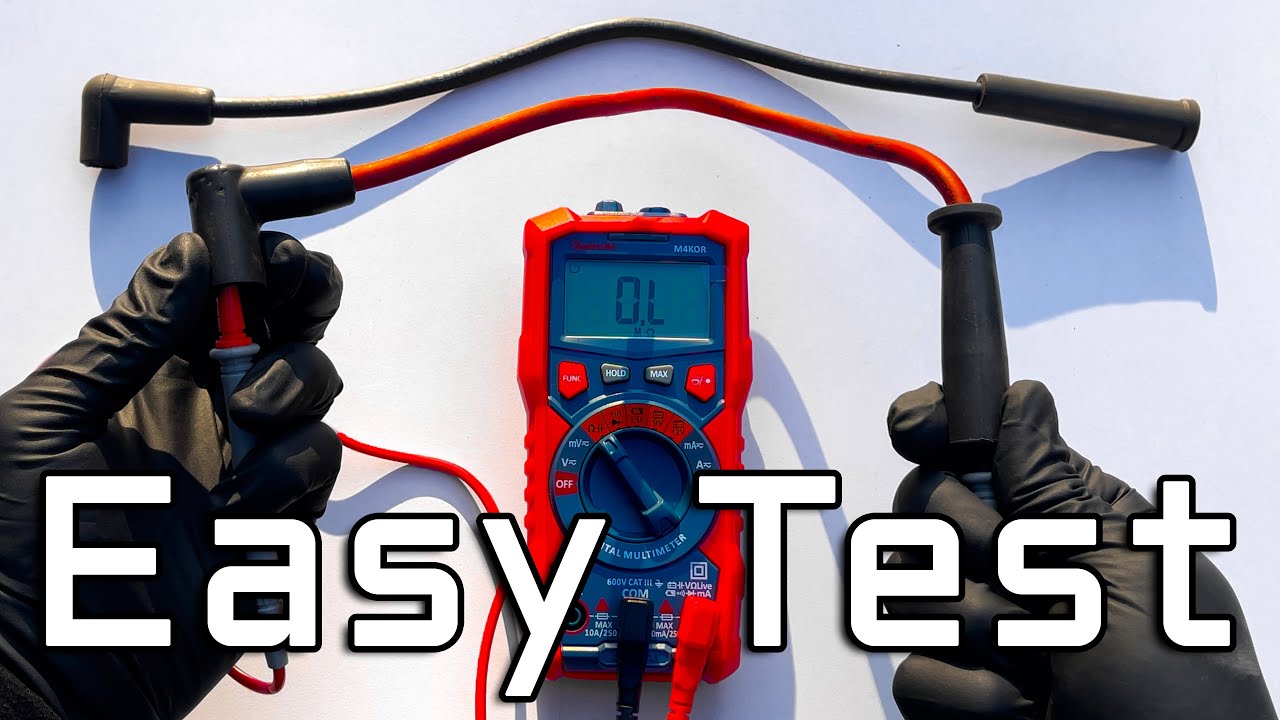
A resistance test is one of the most accurate ways to learn how to check spark plug cables. A digital multimeter measures the resistance inside each cable.
Remove one cable at a time to avoid mixing up firing order positions. Set the multimeter to the resistance setting and place one probe on each end of the cable.
- ✦ Disconnect Carefully
Remove cables by gripping the boot, not the wire.
- ✦ Measure Resistance
Compare readings with manufacturer specifications.
- ✦ Check Consistency
Large differences between cables can indicate a problem.
Typical Resistance Values
Resistance varies by cable length and design. Many spark plug wires show between 3,000 and 12,000 ohms. Always compare results with vehicle service information when available.
- ✦ High Resistance
Excessive resistance can weaken spark delivery.
How to Check Spark Plug Cables for Voltage Leaks
Voltage leakage can occur even when a cable looks normal. Another useful method for how to check spark plug cables involves inspecting them in low-light conditions.
Start the engine after dark or in a dim garage. Watch carefully for tiny blue sparks or glowing areas along the cable insulation. These signs indicate electrical leakage.
- ✦ Look for Arcing
Visible sparks suggest insulation failure.
- ✦ Listen Carefully
Electrical leakage may create a snapping sound.
- ✦ Use Caution
Avoid touching ignition components while the engine runs.
Water Mist Test
Some technicians lightly mist the cables with water while the engine runs. Increased arcing can reveal weak insulation. Use care and follow vehicle safety guidelines.
- ✦ Leak Detection
Moisture can expose hidden insulation faults.
When to Replace Spark Plug Cables
Knowing how to check spark plug cables is valuable, but recognizing when replacement is necessary is equally important. Damaged cables should be replaced rather than repaired.
If your vehicle has high mileage, recurring misfires, or visible insulation damage, replacing the entire set is often the best solution. New cables help restore ignition performance and reliability.

- ✦ Visible Cracks
Physical damage usually requires replacement.
- ✦ Failed Resistance Test
Out-of-spec readings indicate internal deterioration.
- ✦ Persistent Misfires
Faulty wires may continue causing ignition problems.
Replacement Tips
Replace one wire at a time to maintain the correct firing order. Use quality replacement parts designed for your vehicle’s ignition system.
- ✦ Match Specifications
Choose cables recommended for your engine.
Best Practices for Maintaining Spark Plug Cables
Regular maintenance reduces the chance of ignition problems. Many drivers focus on spark plugs but overlook cable condition.
Inspect cables during routine tune-ups and oil changes. This habit makes it easier to catch problems before they affect drivability.

- ✦ Keep Them Clean
Remove dirt, oil, and debris from wire surfaces.
- ✦ Avoid Excessive Heat
Use wire separators and proper routing.
- ✦ Inspect Regularly
Check cables during scheduled maintenance.
- ✦ Replace Aging Components
Old ignition parts can stress spark plug cables.
Routine Inspection Schedule
Many professional technicians inspect ignition wires at least once a year or during major service intervals. Frequent checks help identify wear before performance suffers.
- ✦ Preventive Maintenance
Early detection reduces unexpected breakdowns.