
Many drivers assume they must remove spark plugs to know whether they are working. In reality, there are several reliable ways to inspect spark plug performance while the plugs remain installed. These methods save time and help you spot problems before they become expensive repairs.
Over the years, I have used these techniques on daily drivers, pickup trucks, SUVs, and older gasoline engines. While removing the plugs provides the most complete inspection, learning how to check spark plugs without removing them is often enough to identify weak ignition performance, misfires, and other common problems.

Why Spark Plugs Matter
Spark plugs ignite the air-fuel mixture inside your engine’s cylinders. Without a strong spark, combustion becomes weak or inconsistent. This can reduce power, lower fuel efficiency, and create rough engine operation.
Modern spark plugs can last a long time, but they still wear out. Heat, carbon deposits, oil contamination, and normal use gradually reduce performance. Knowing how to check spark plugs without removing them helps catch these issues early.
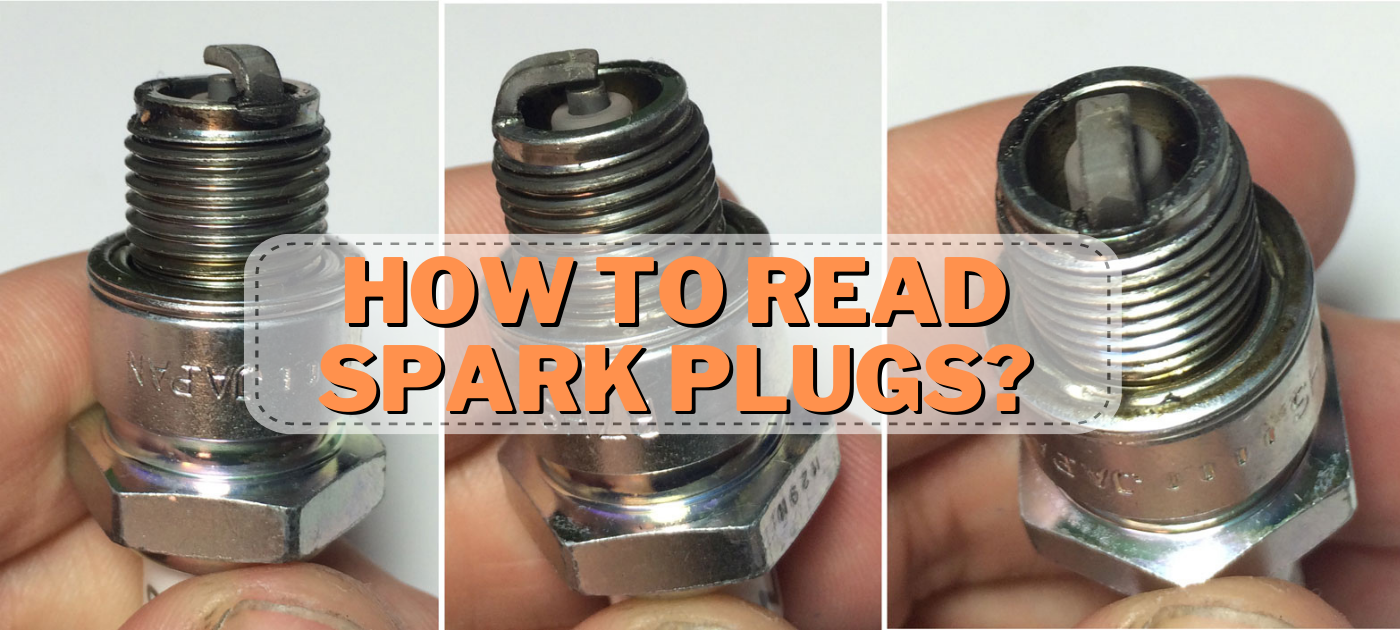
- ✦ Engine Performance
Healthy spark plugs support smooth acceleration and efficient combustion.
- ✦ Fuel Economy
Faulty plugs can increase fuel consumption and reduce mileage.
- ✦ Reliability
Good spark plugs help engines start quickly and run smoothly.
Watch for Common Symptoms of Bad Spark Plugs
One of the easiest ways to learn how to check spark plugs without removing them is to pay attention to how the vehicle behaves. Spark plug problems often create clear warning signs that drivers notice during normal use.
A rough idle, hesitation during acceleration, reduced fuel economy, and difficulty starting the engine can all point to spark plug issues. These symptoms may also relate to other ignition problems, so additional testing is helpful.

- ✦ Rough Idle
The engine shakes or vibrates more than normal when stopped.
- ✦ Hard Starting
The engine cranks longer than usual before starting.
- ✦ Poor Acceleration
The vehicle feels sluggish when you press the accelerator.
- ✦ Misfires
You may feel jerking, stumbling, or uneven engine operation.
How Misfires Indicate Spark Plug Problems
Misfires occur when a cylinder fails to burn fuel properly. A worn or damaged spark plug is one of the most common causes. If misfires become frequent, prompt diagnosis is important.
- ✦ Check Engine Light
A flashing or steady warning light often accompanies misfires.
Use an OBD-II Scanner for Quick Diagnosis
Most vehicles sold in the United States since 1996 include onboard diagnostics. An OBD-II scanner can reveal trouble codes related to ignition and combustion problems.
This is one of the most practical methods for how to check spark plugs without removing them. Misfire codes such as P0300 through P0308 often point technicians toward spark plug, ignition coil, or fuel delivery issues.

- ✦ P0300
Random or multiple-cylinder misfire detected.
- ✦ P0301-P0308
Misfire detected in a specific cylinder.
Benefits of Diagnostic Scanners
Modern scan tools can display live data, pending codes, and misfire counts. This information helps narrow down potential spark plug issues before any parts are removed.
- ✦ Fast Results
Most scans take only a few minutes.
Test Spark Output with a Spark Tester
A spark tester is one of the best tools for how to check spark plugs without removing them. The tester connects between the ignition wire or coil and the spark plug.
When the engine runs, you can observe whether a strong spark reaches the plug. A bright and consistent spark usually indicates healthy ignition performance.

- ✦ Strong Spark
Bright and steady spark activity suggests proper operation.
- ✦ Weak Spark
Dim or inconsistent spark may indicate ignition or plug issues.
Safety Tips During Spark Testing
Always wear safety glasses and avoid touching ignition components while the engine runs. Ignition systems generate high voltage and can cause painful shocks.
- ✦ Use Insulated Tools
Insulated equipment improves safety around high-voltage components.
Inspect Ignition Coils and Plug Wires
Sometimes the spark plug itself is not the problem. Damaged ignition coils, cracked wires, or loose electrical connections can mimic bad spark plug symptoms.
When learning how to check spark plugs without removing them, always inspect the surrounding ignition components. Look for cracks, corrosion, burn marks, or damaged insulation.

- ✦ Cracks
Visible damage can cause voltage leaks.
- ✦ Corrosion
Rust or buildup can interfere with electrical flow.
- ✦ Loose Connections
Poor electrical contact can create intermittent misfires.
Nighttime Inspection Trick
In a dark garage, faulty ignition wires sometimes reveal small arcs of electricity. This simple inspection can help identify voltage leaks.
- ✦ Observe Carefully
Look for tiny blue sparks around wires and coils.
Listen to Engine Changes During Cylinder Balance Testing
Professional technicians often perform cylinder balance tests. This method helps identify cylinders that contribute less power than others.
If disconnecting a coil or injector causes little change in engine speed, that cylinder may have a spark plug problem. This approach can provide valuable clues without removing spark plugs.

- ✦ Engine RPM Drop
A healthy cylinder usually causes a noticeable RPM drop when disabled.
- ✦ Minimal Change
A weak cylinder may show little difference when disconnected.
Limitations of Checking Spark Plugs Without Removal
Understanding how to check spark plugs without removing them is useful, but these methods have limits. You cannot directly inspect electrode wear, carbon buildup, oil fouling, or physical damage while the plugs remain installed.
If symptoms persist or diagnostic tests remain inconclusive, removing and examining the spark plugs is the next step. A visual inspection often reveals valuable information about engine health.

- ✦ Cannot See Electrode Wear
Internal spark plug condition remains hidden.
- ✦ Cannot Measure Gap Directly
Spark plug gap requires removal for accurate measurement.
- ✦ May Require Further Testing
Persistent problems often need hands-on inspection.
When Removal Becomes Necessary
If the vehicle has high mileage, recurring misfires, or severe performance issues, removing the plugs provides the most accurate diagnosis.
- ✦ Scheduled Maintenance
Follow the manufacturer’s replacement intervals.